How to Identify and Remove Japanese Stiltgrass
Spot Japanese stiltgrass before it sets seed. ID checklist, hand-pull windows, and the mowing trick that beats it without herbicide.
Cottontails strip native plant plugs in a single overnight visit because the new growth is tender, the root systems are shallow, and the rabbits already know your yard. The fastest reliable defense is a 24-inch hardware-cloth cylinder around each plug for the first six weeks, paired with a perimeter scent rotation. Cages come off once … Read more
Avoid accidentally poisoning your pollinator garden. Practical tactics for spotting neonic-treated milkweed and pollinator plants before you buy.
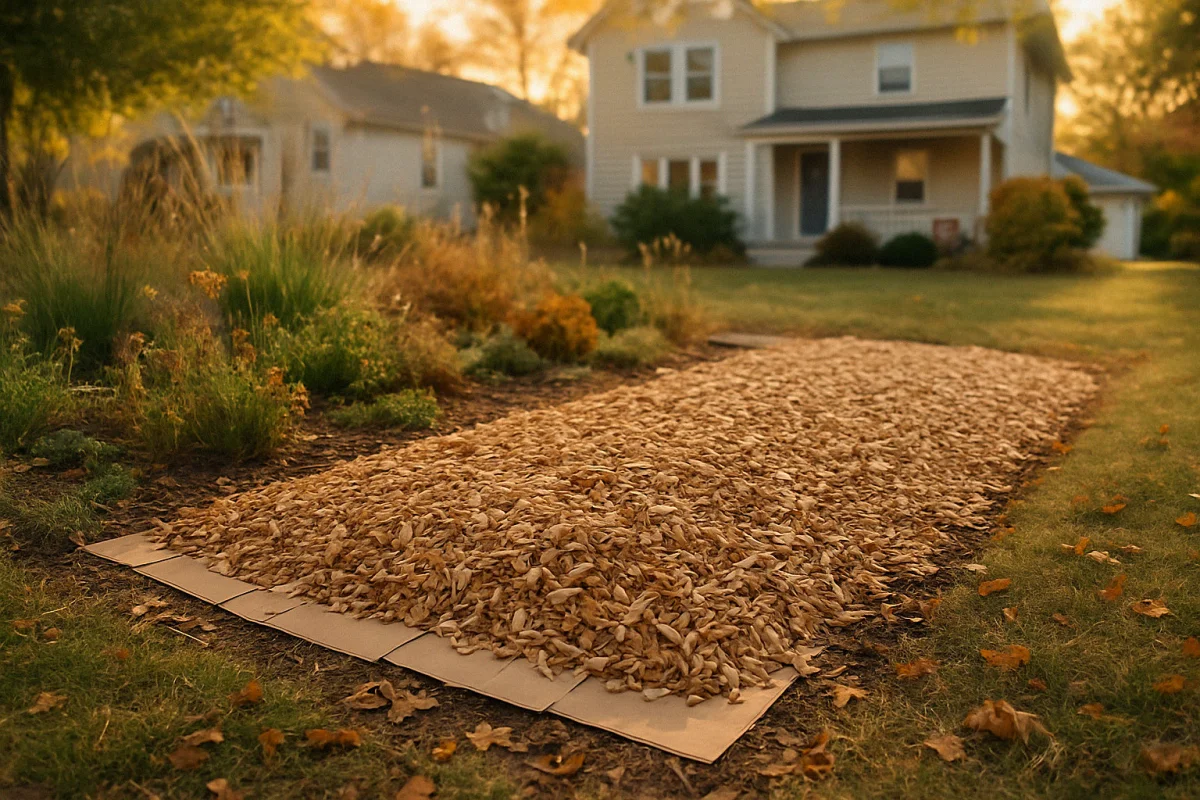
Before a dump truck drops two cubic yards of mulch on your driveway, you have roughly ninety seconds to inspect it. Pull a fistful from the load, check the color and smell, scan for plastic shreds and seed heads, and ask the driver to wait. If the mulch is gray, sour, or studded with debris, … Read more
Quick answer: Use iron phosphate slug bait (Sluggo, Escar-Go) instead of metaldehyde, set up rough-texture barriers around freshly transplanted plugs, and stop watering after 3 p.m. so the soil surface dries before slugs feed. Iron phosphate breaks down into soil nutrients within days and stays safe for songbirds, frogs, and pets that share your native … Read more
By the last week of May, your yard runs eight wildlife schedules at once: rabbits start a second litter, fireflies begin flashing, monarchs lay their next egg wave, fledglings drop out of nests, native bees swap generations, toads call from any standing water, annual cicadas start their first songs in the southern half of the … Read more
If a bird built a nest in your hanging basket, stop watering the container for the next three to four weeks, leave the basket exactly where it is, and skip any pesticides on nearby plants until the chicks fledge. Most suburban hanging-basket nesters in late May are House Finches, Carolina Wrens, or American Robins, and … Read more
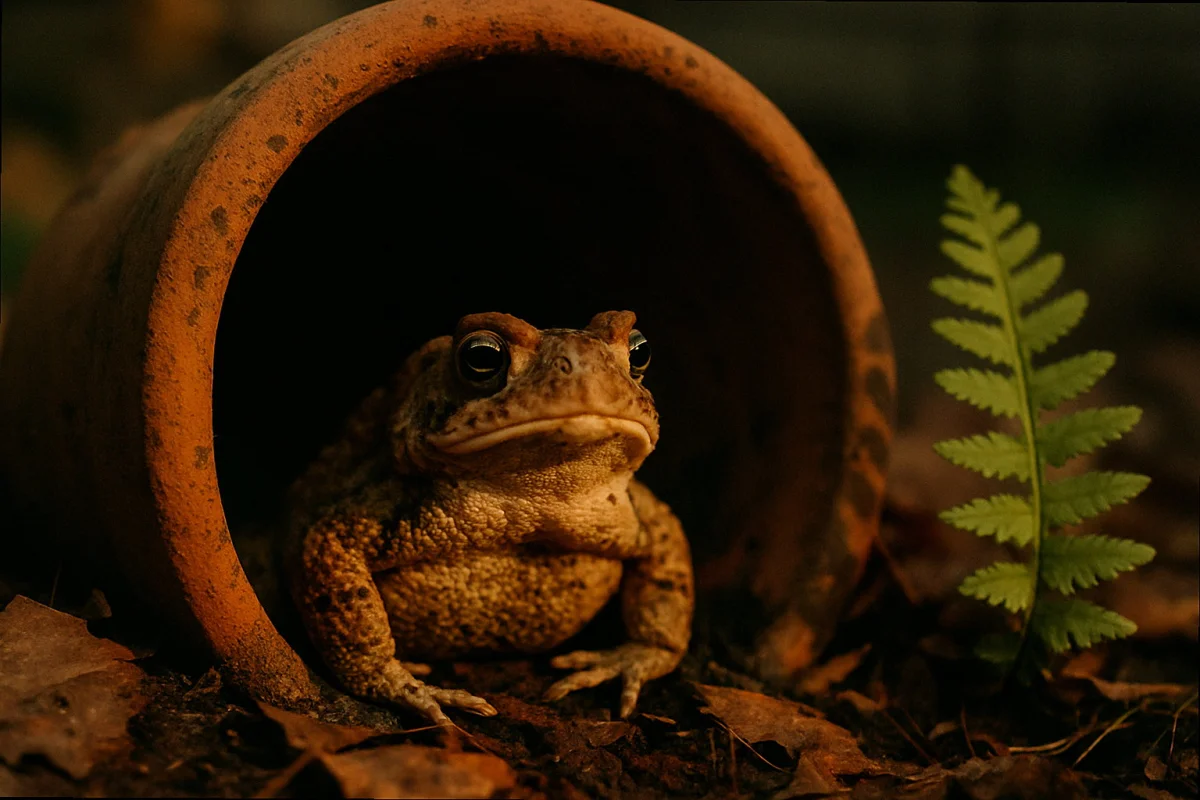
Eastern box turtles spend their entire adult lives inside a home range smaller than two acres, usually within 250 yards of where they hatched. Pick one up, drive it to a state park a few miles down the road, and you have not rescued it. You have stranded it. Most relocated turtles wander for months, … Read more
A fledgling on the ground in late May is almost always fine. Heres how to tell, when to step in, and what late-spring parents are doing.
Quick answer: A wild cottontail nest only stays active for about three weeks. Mark the spot, mow around a 10-foot buffer, and skip the area until the kits leave on their own. The mother visits just twice a day, at dawn and dusk, so an empty-looking nest is usually a healthy nest. Verify she is … Read more