How to Identify and Remove Japanese Stiltgrass
Spot Japanese stiltgrass before it sets seed. ID checklist, hand-pull windows, and the mowing trick that beats it without herbicide.
Learn humane, effective methods to keep unwanted animals out of your garden, flower beds, and yard. From squirrels and rabbits to deer and stray cats — practical solutions that actually work.
Spot Japanese stiltgrass before it sets seed. ID checklist, hand-pull windows, and the mowing trick that beats it without herbicide.
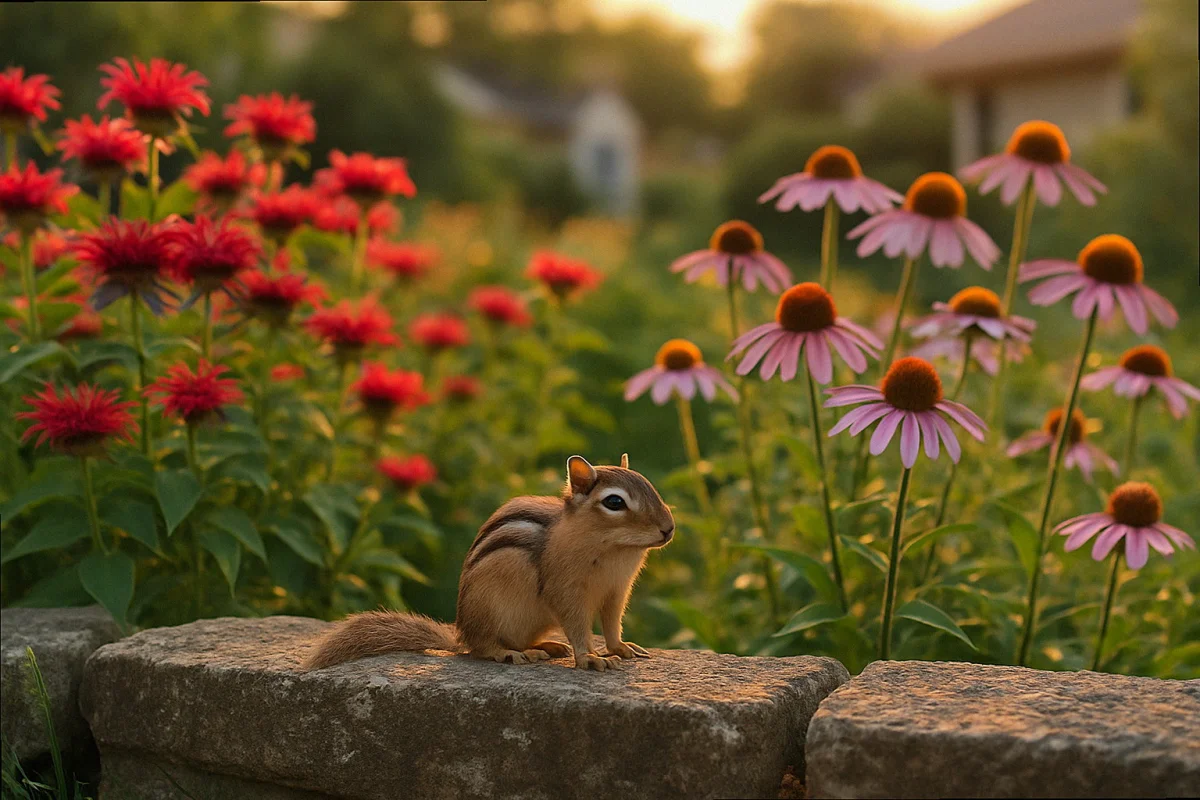
Cottontails strip native plant plugs in a single overnight visit because the new growth is tender, the root systems are shallow, and the rabbits already know your yard. The fastest reliable defense is a 24-inch hardware-cloth cylinder around each plug for the first six weeks, paired with a perimeter scent rotation. Cages come off once … Read more
Avoid accidentally poisoning your pollinator garden. Practical tactics for spotting neonic-treated milkweed and pollinator plants before you buy.
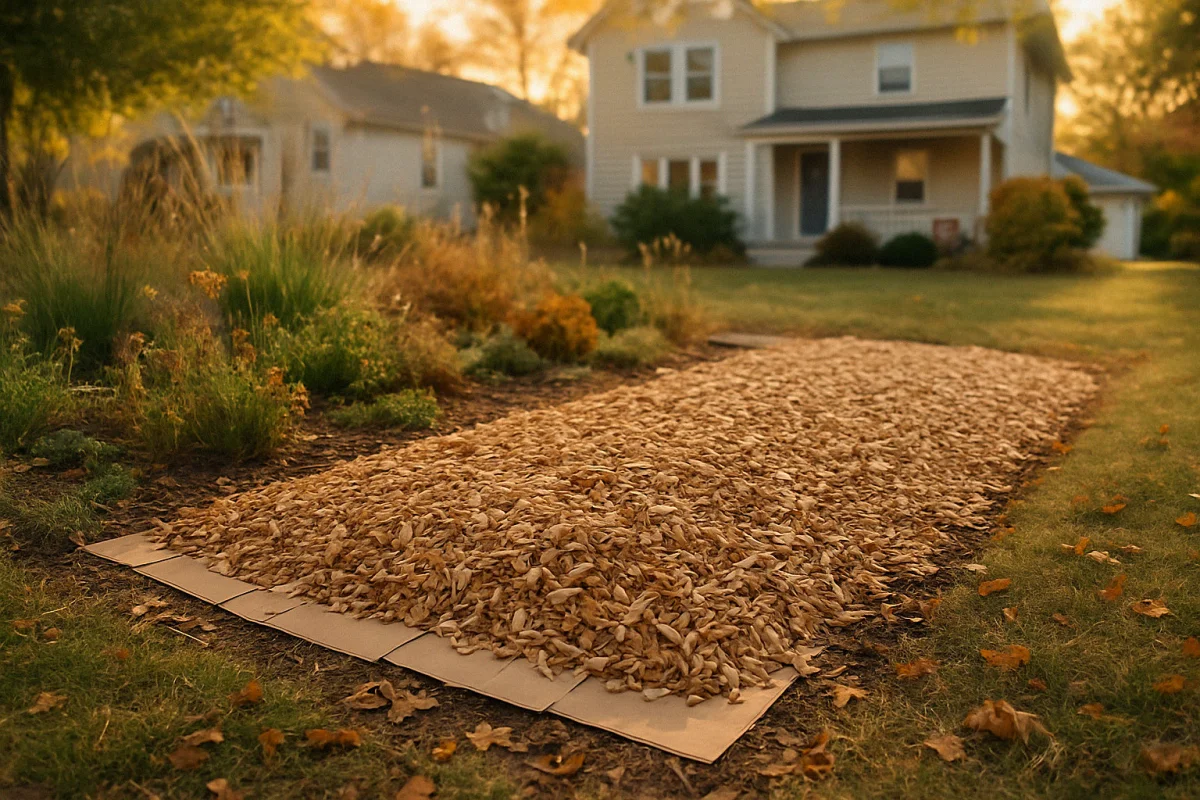
Before a dump truck drops two cubic yards of mulch on your driveway, you have roughly ninety seconds to inspect it. Pull a fistful from the load, check the color and smell, scan for plastic shreds and seed heads, and ask the driver to wait. If the mulch is gray, sour, or studded with debris, … Read more
Quick answer: Use iron phosphate slug bait (Sluggo, Escar-Go) instead of metaldehyde, set up rough-texture barriers around freshly transplanted plugs, and stop watering after 3 p.m. so the soil surface dries before slugs feed. Iron phosphate breaks down into soil nutrients within days and stays safe for songbirds, frogs, and pets that share your native … Read more
The three yard plants most likely to send a dog to the emergency vet are sago palm, yew, and oleander, and all three are sold without warning at every major garden center in the US. Walk your property with a clipboard, photograph each shrub, and cross-check the leaves and berries against the ASPCA database before … Read more
Quick answer: Stop Japanese beetles in a native garden by hand-picking adults into soapy water at dawn for two weeks during the emergence window, refusing pheromone traps (they pull more beetles in), and skipping carbaryl/Sevin sprays that kill bees on contact. Long-term control means letting parasitoid wasps and birds work the larvae in your lawn, … Read more
A six-step verification checklist for native plant shoppers at big-box stores: scientific names, BONAP county checks, nativar red flags, and when chain stores actually win.
On a Friday morning earlier this month, I walked out with coffee and saw what looked like orange pollen powdering the south-facing side of every Asclepias incarnata stem along my back fence. It was not pollen. It was a colony of oleander aphids that had appeared overnight, three to four hundred on a single stem, … Read more
Last May I was drinking coffee on my back porch when I heard what sounded like a small power drill running somewhere behind me. I turned around and watched a fat, shiny black bee hover-fight another fat, shiny black bee over the same cedar joist of my pergola. Within three minutes I counted six of … Read more