
By Sarah Whitfield
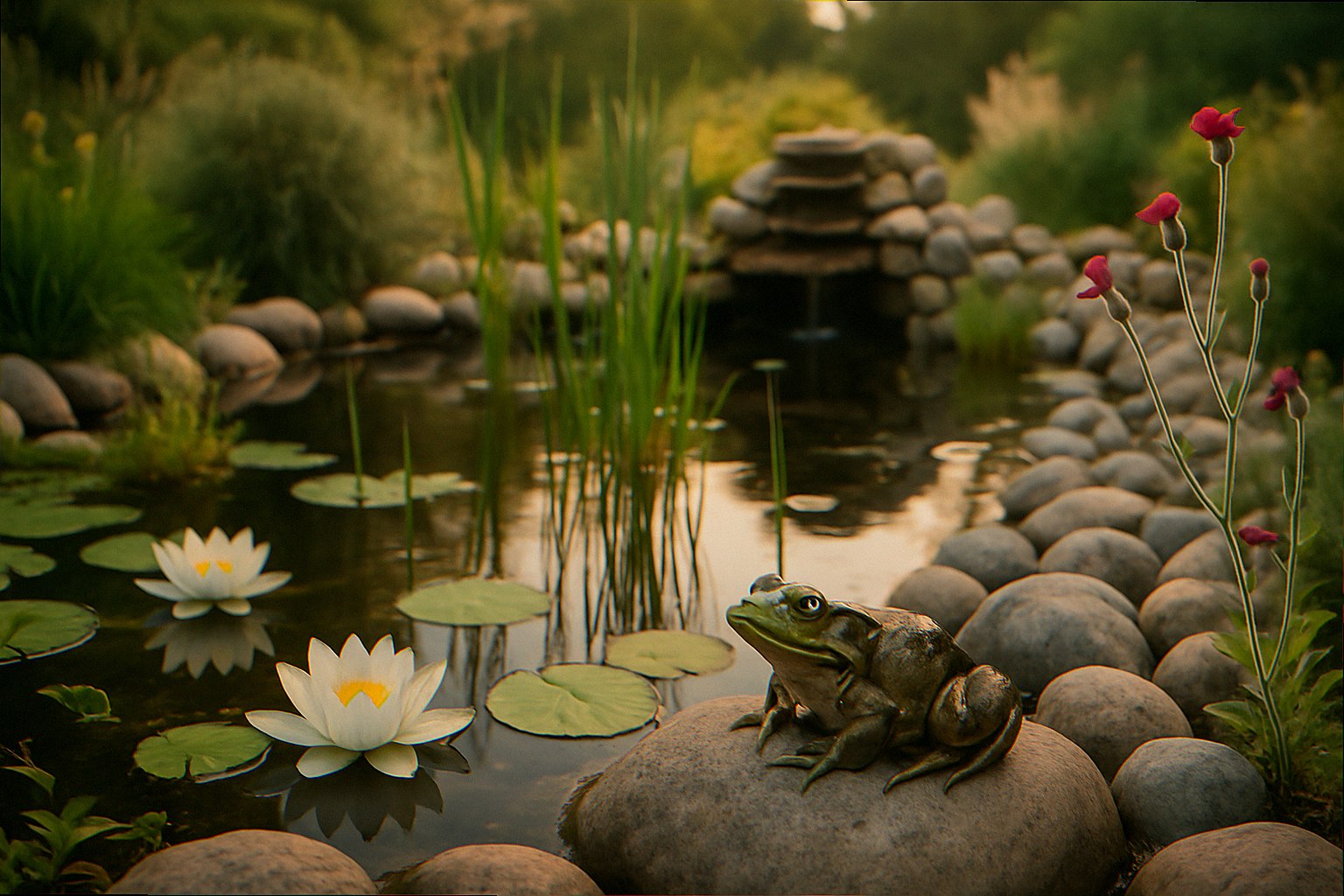
You wanted to put a small pond in the corner of the yard. You wanted a bird bath that catches the morning light. You wanted the kind of garden where a goldfinch lands and drinks while you sip coffee on the back step. And then someone in your gardening group mentioned mosquitoes, and that was the end of it. The bird bath stayed in the box. The pond idea got shelved. The yard kept being a quiet, dry place where the bees fly past you on their way to the neighbor’s hose.
I’ve heard from an extension agent I trust who points out a common concern about creating a lotus pond. Many people worry about the potential for mosquitoes to breed and thrive, which is a valid concern. It’s true that an unattended bird bath in the summer can quickly turn into a mosquito breeding ground in just a couple of days. However, it’s important to remember that you don’t have to sacrifice a vibrant wildlife habitat for a comfortable outdoor space.
FREE: Wildlife Garden Starter Guide
Get our 12-page PDF with the 25 best plants for pollinators, simple habitat tips, and a printable checklist — all 100% free.
No spam. Read our Privacy Policy.This is a complete, realistic guide to building water features that birds, bees, and small mammals actually use, with three layers of mosquito control that work together so you never wake up to a swarm crawling out of your fountain. We will cover the depth and shape that mosquitoes refuse, the bacterium that kills only larvae, a solar bubbler that runs all summer for the price of a sandwich, and a tiny patio pond setup that looks intentional enough to survive a nosy neighbor. By the end you will know exactly what to buy, where to put it, and how much time it actually takes to maintain.

“Mosquitoes Will Ruin It” Is the Reason Most Wildlife Gardeners Skip Water Entirely
Talk to anyone trying to convert a lawn to a pollinator yard and the first objection that surfaces is not the cost or the labor. It is the mosquitoes. The fear is so common in native gardening forums that the same exchange repeats every spring: someone posts a photo of a stock-tank pond and within an hour three people reply asking how the poster keeps it from breeding bloodsuckers. The honest answer is that doing nothing is what breeds them. A wildlife garden without water is the gardener choosing one fear over a much larger ecological loss.
Here is what is at stake. Birds need open water for drinking and bathing, especially in mid-summer when natural puddles dry up. Bees collect water to cool their hives and to dilute crystallized honey. Butterflies and dragonflies puddle on damp sand for sodium and minerals. A yard that has flowers but no water is a restaurant with no drinking fountain. Data summarized by Penn State Extension suggests that suburban yards with consistent water access can host roughly 40 percent more bird species than yards without it. The water feature is doing as much ecological work as the milkweed.
The fix is not to give up. The fix is to build the water feature in a way that mosquitoes cannot use. Mosquitoes are picky in one specific way: their eggs only hatch in still, flat water. Every successful wildlife water feature in this guide is built on that single biological fact.
The 48-Hour Rule: Why Standing Water Becomes a Nursery So Fast
Most people think mosquitoes need a swamp. They do not. A female mosquito needs a flat, calm water surface — anything from a forgotten flowerpot saucer to a stagnant bird bath — and roughly 48 hours of stillness. She lays a raft of about 100 to 300 eggs that float on the surface tension. The eggs hatch into wriggling larvae within one to three days. The larvae stay in the water for another four to fourteen days, breathing through tiny snorkels, then pupate, then emerge as adults. From clean basin to flying adult is often less than two weeks.
This is why “I dump it on Saturdays” fails in July. The cycle starts every Sunday morning and you arrive five days late. It also explains why bird baths near downspouts and air-conditioner drip pans are the worst offenders — the water gets topped up just enough to keep the larvae alive but never disturbed enough to drown them. The good news is that any of the three things below break the cycle completely:
- Movement on the surface. Even a one-inch ripple from a small pump or wiggler prevents the female from landing to lay. Eggs already there cannot stay rafted. This is the single most effective trick.
- A complete water dump every one to two days. If you can keep a daily-dump habit, you starve the cycle out before any larva matures. Penn State Extension recommends daily changes in summer.
- A larvicide that targets only mosquitoes. Bacillus thuringiensis israelensis, sold as Mosquito Bits or Mosquito Dunks, kills larvae but is harmless to bees, birds, fish, and pets.
Combine any two of these and the math turns against the mosquito. Combine all three and your bird bath becomes the cleanest little oasis on the block.
Three Mistakes Almost Every Backyard Bird Bath Makes (And Mosquitoes Love)
Most of the bird baths sold at big-box garden centers are designed to look pretty in the catalog, not to function as wildlife habitat. The same is true of the pinterest-style DIY projects circulating right now. Before we build the right setup, it helps to know exactly what is going wrong with the wrong ones.
Mistake one: too deep. A four-inch concrete basin looks classic, but birds will not bathe in it. They wade in until the water hits their belly feathers. If they cannot stand, they will not use it, which means the water sits unused and undisturbed for days. That is exactly what mosquitoes want. Audubon’s depth rule is one and a half inches at the deepest point. Cornell-affiliated extension materials recommend no more than two to three inches, and that is the absolute maximum.
Mistake two: a single rock as the “perch.” A flat rock in the middle is a kind gesture for the goldfinch, but it does nothing about the surface tension a female mosquito needs to land. The water around the rock is still as glass. Adding texture only matters if it also adds movement.
Mistake three: relying on citronella plants or essential oils. Citronella, lemon balm, and other “mosquito repellent plants” only release their volatile oils when the leaves are physically crushed. Sitting next to a basin of water, they are doing roughly nothing. Save them for a foot path where you brush against them.
The takeaway is not that bird baths fail. It is that the standard bird bath is half a tool. To make it complete, you need depth control, water movement, and either a daily dump habit or a Bti dunk schedule.
The 1.5-Inch Solar Bubbler Setup: Build the Bird Bath Mosquitoes Refuse
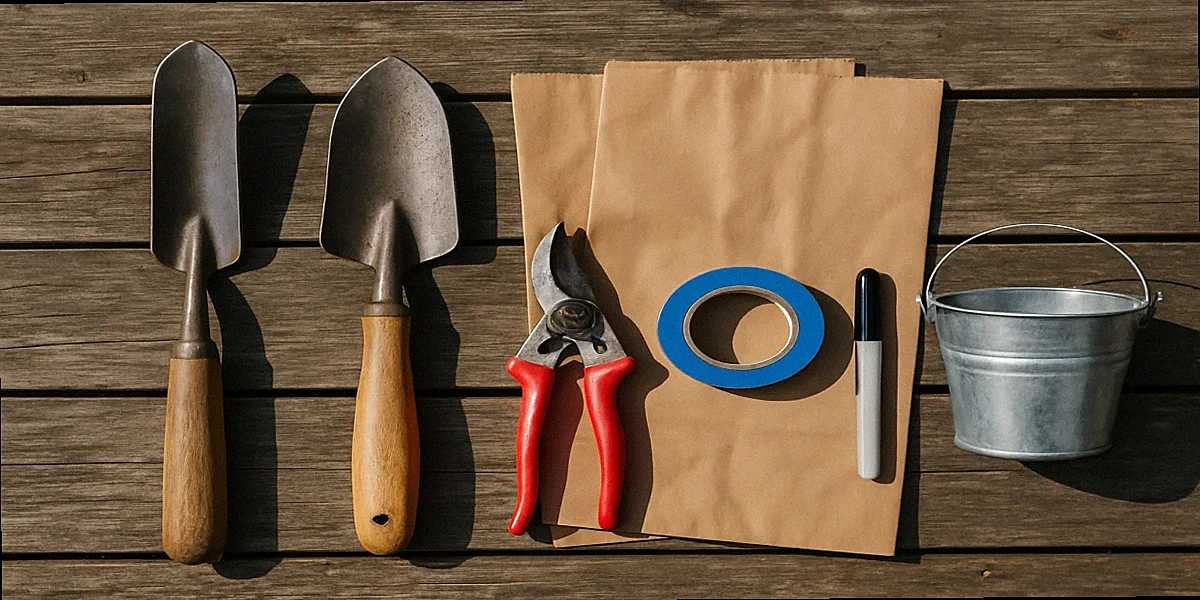
This is the cheapest, most reliable wildlife water feature for a small yard. It costs under fifty dollars all-in, runs on the sun, and meets every depth and movement rule in this guide. Here is the build, step by step.
Step 1: Pick a shallow, wide basin
The basin matters more than anything else. Look for something twelve to twenty inches across with a depth that grades from less than half an inch at the rim to about one and a half inches in the center. A glazed terra cotta saucer, a vintage shallow casserole, even an upturned trash-can lid set on a cinderblock all work. Big-box “deep” bird baths can be retrofitted by adding a layer of clean river rock to bring the maximum depth down to one and a half inches.
Step 2: Add a solar bubbler or wiggler
A solar bubbler is a small floating disc with a built-in pump and panel. It bobs in the basin and sends a continuous one-inch fountain straight up. Models from Solatec, GardenAid, and Ankway run between fifteen and thirty dollars and last two to three seasons. A solar water wiggler is the alternative — it does not fountain, but it agitates the surface from below the water line. Both work. The wiggler is quieter and lasts longer; the bubbler attracts more birds because of the visible droplets and the audible trickle.
Step 3: Place it strategically
Position the basin within ten feet of low shrubs or perennials, so birds have escape cover from hawks and neighborhood cats. Keep it at least eight feet away from any seed or suet feeder so droppings and hulls do not foul the water. Direct sun for at least six hours per day keeps the solar pump running. Avoid placing it directly under a tree where leaf litter will clog the pump every two days.
Step 4: The two-minute weekly habit
Once a week, dump the basin, scrub the inside with a stiff brush and a fifty-fifty white vinegar rinse, refill with the hose. That is the entire maintenance schedule when the bubbler is running. If the bubbler dies for a week and you forget, drop a quarter of a Mosquito Dunk into the refilled basin and you are protected for thirty days while you order a replacement.
One reader of a Pacific Northwest native gardening forum tracked her bubbler bath for an entire summer in 2024 and reported chickadees, house finches, juncos, hummingbirds drinking from the spray, and a single barred owl who came by twice at dusk. Zero mosquitoes hatched. The total time investment over the season was about an hour.
Mosquito Bits and Dunks: A Bacterium That Targets Only Larvae
Bacillus thuringiensis israelensis — almost always shortened to Bti — is the workhorse of safe mosquito control in wildlife gardens. It is a naturally occurring soil bacterium first identified in 1976. The bacteria produce a protein crystal that, once eaten by a mosquito larva, ruptures the larva’s gut and kills it within hours. The same protein is harmless to anything without that exact gut chemistry, which means birds, fish, frogs, dragonfly nymphs, bees, butterflies, dogs, cats, and humans are unaffected.
The U.S. Environmental Protection Agency has registered five different strains of Bti across roughly forty-eight pesticide products. EPA fact sheets state directly that Bti has minimal toxicity to honey bees and that products like Mosquito Bits may be applied to areas containing aquatic life, fish, and plants. This is the rare case where the regulatory science and the organic gardening community agree completely.
You can buy Bti in two formats:
- Mosquito Bits — granular form, looks like brown corn meal. Use in shallow water like bird baths and saucers. Sprinkle a half teaspoon per gallon of water. Lasts seven to fourteen days, so reapply weekly during peak mosquito months.
- Mosquito Dunks — donut-shaped tablets for ponds, rain barrels, and water gardens. One dunk treats up to one hundred square feet of surface for thirty days. Drop one in and walk away. They float and slowly dissolve.
A few practical notes. Bti needs the larvae to actively feed on it, so it does nothing to adult mosquitoes already in the air. It also does not stop the female from laying — it just kills the offspring. If you are downwind of a heavy adult population, you will still want a personal repellent and a fan on the patio. (For pollinator-safe options to deal with the adults, see our guide on controlling mosquitoes in your yard without harming bees, birds, or bats.) And keep the unused product in the original container in a dry place. Once the granules absorb humidity they clump and lose potency.
The Stock-Tank Patio Pond: A Wildlife Pond Without a Ten-Thousand-Dollar Excavation
If you have ever priced a “real” backyard pond from a landscaping contractor, you have already given up. A liner, pump, biofilter, and labor for a fifty-square-foot water garden runs three to ten thousand dollars. That is not a beginner project. The stock-tank pond is. It costs under three hundred dollars complete, fits on a small patio or in a garden corner, and supports the same set of wildlife as a far bigger feature.
Here is the parts list.
- One galvanized stock tank, fifty to one hundred gallons, available at any farm-supply store for sixty to one hundred and twenty dollars. The two-foot oval is the easiest to fit on a patio.
- One small solar fountain pump, twenty-five to forty-five dollars. Look for a model rated at least two hundred liters per hour with a built-in battery so it keeps moving on cloudy days.
- One pygmy water lily or hardy water lettuce, six to fifteen dollars. The floating leaves shade the surface, which slows evaporation and keeps the water cool enough for amphibians.
- One bag of clean pea gravel for the bottom, four dollars.
- One brick or flat stone arranged as a “ramp” from the bottom to just above the waterline. This is non-negotiable. Without it, a baby chipmunk or a frog can fall in and drown. The ramp is the single most important wildlife-safety element in any backyard pond.
- A monthly Mosquito Dunk for backup mosquito protection.
Place the tank in a spot that gets four to six hours of sun. Full all-day sun makes it green up fast with algae. Full shade kills the lily. Fill with a hose and let it sit for forty-eight hours before adding any plants — this lets chlorine off-gas and the water reach ambient temperature. Drop in the lily, plug in the solar pump, place the ramp, and add the Mosquito Dunk. You are done.
Within two weeks you will start to see things. Honeybees and native sweat bees landing on the lily pads to drink. Dragonflies hovering and laying eggs. Songbirds dropping in for a sip from the moving spillover. By midsummer in the second year, you may even hear a tree frog calling at night. None of it requires any more maintenance than a planter box.
“But Is This Going to Become Another Yard Chore I Can’t Keep Up With?”
This is the real obstacle, and it deserves a straight answer. The honest truth is that a wildlife water feature does add a small amount of recurring work to your yard. It is less than a vegetable bed. It is more than a perennial border. Here is the realistic calendar so you can decide before you commit.
Daily, peak summer (June through September): roughly one minute. Walk over with a watering can, do a visual check that the bubbler is running, top off any evaporation. If the bubbler has stopped, that is your cue to wipe the solar panel clear of pollen.
Weekly, all season: roughly five minutes. Dump the bird bath, scrub with a brush and white vinegar, refill. For the stock-tank pond, skim out fallen leaves and pinch off any yellowing lily leaves.
Monthly, all season: drop in a fresh Mosquito Dunk for the pond. Replace Mosquito Bits in the bird bath if you are using them as a backup.
Yearly, late fall: drain the stock tank to about one-third before the first hard freeze. Move the lily into a bucket in an unheated garage. Bring the solar pump indoors. Total time: thirty minutes.
That is the whole list. If a five-minute Saturday habit and a one-minute summer-evening glance feel manageable, you can absolutely keep this running. If you genuinely cannot commit, stick to the bubbler-only bird bath and skip the pond. The bird bath alone will still give you ninety percent of the wildlife reward.
The one piece of advice almost every long-time wildlife gardener gives is this: do not let the perfect be the enemy of the good. A bubbler bath that you actually clean weekly does more for the local ecosystem than the dream pond that you never start because you read too many ten-thousand-dollar pond-building blogs.
What Changes in the First Two Weeks: Birds, Bees, and the End of the Sprinkler Wasps
The transformation starts almost immediately. Within seventy-two hours of setup, you should hear birds — chickadees and finches usually arrive first, drawn by the sound of moving water. Audubon notes that drippers and bubblers carry a “splash sound” that birds can pick up from over thirty meters away, which means birds you have never seen on your block will suddenly find your yard.
By the end of week one, expect bees to start using the bubbler edge. Honeybees and bumblebees specifically need landing surfaces, not open water, so they will hover over the rim and drink from the wet stones. If you have a stock-tank pond, this is also when dragonflies typically arrive — sometimes the same afternoon you fill the tank. They appear to track water from astonishing distances.
By week two, two side effects often surprise gardeners. First, the sprinkler-and-hose-spigot wasps disappear. Yellow jackets and paper wasps need water just like everyone else, and when they have a dedicated source they stop hijacking your irrigation timer. Second, the small mammals show up. Chipmunks, eastern gray squirrels, and the occasional groundhog learn the route within days, especially if you have placed your pond near hedge cover. This is mostly a delight, occasionally a nuisance — the squirrels will steal a flat rock from the ramp if it suits them.
One subtle reward that most guides do not mention: the children in your house will start watching. A water feature gives a four-year-old something to do for an hour. They will report on every bird, sit cross-legged in front of the bubbler, and ask why the bee is “drinking with its tongue.” The number one Job-To-Be-Done in wildlife gardening, after the conservation piece, is bonding with kids over the natural world. Water makes that happen on a schedule.
Quick Answers to the Mosquito-and-Bird-Bath Questions People Always Ask
Will Mosquito Dunks hurt my dog if she drinks from the bird bath?
No. Bti is metabolized only by the digestive tract of mosquito, blackfly, and fungus gnat larvae. EPA registration data confirm zero toxicity to dogs, cats, fish, birds, bees, or humans at any realistic exposure level. The common Mosquito Dunks brand is rated safe even for water containing fish that you intend to eat.
How often do I really need to change the water in summer?
If you have a working bubbler, once a week is enough. If you do not have a bubbler, every two days during June, July, and August. In April, May, September, and October the cycle slows and three to four days is fine. The triggering question is “has it been still for more than 48 hours?” If yes, dump it.
Do hummingbirds use bird baths?
Hummingbirds drink from feeders, but they bathe in misters and shallow drippers, not in conventional baths. If you specifically want to attract hummers to a water feature, look for a hose-attached mister you can hang from a low branch. They will fly through the spray and bathe on the wing.
Do citronella plants actually repel mosquitoes around a pond?
No. Citronella, lemongrass, lemon balm, and similar plants only release their oils when the leaves are crushed or burned. Standing in a planter next to your pond they are doing essentially nothing. Save them for paths, doorways, and crushable spots where people brush against them.
What is the cheapest setup that actually works?
A twelve-dollar terra cotta plant saucer, a fifteen-dollar solar bubbler from a marketplace seller, and a five-dollar pack of Mosquito Bits. Total under thirty-five dollars. Place it on a stump or upturned bucket. Dump and refill weekly. This is the entry-level setup that has delivered finch, chickadee, and bee visits in suburban yards from Maine to Texas.
The Bottom Line
Adding water to a wildlife garden is the highest-impact ten dollars you will ever spend on conservation. It draws in species that no plant on the property can attract on its own. The mosquito risk that has stopped so many gardeners is real but completely solvable with one of three independent methods, and combining them takes less than five minutes a week. Start with the shallow bubbler bath this weekend. Add the stock-tank pond next month. By July you will be sitting on the back step watching a barn swallow drink mid-flight and wondering why you waited so long. For more on safe mosquito control products and the science behind Bti, the EPA’s mosquito control fact sheet is the most authoritative source online.
Want More Wildlife Garden Tips?
Join 5,000+ nature lovers getting our weekly tips on creating wildlife-friendly gardens.
No spam, unsubscribe anytime. Privacy Policy
Emma Harrington
Emma Harrington is a wildlife habitat researcher and content editor with a passion for backyard conservation. She has spent over a decade translating ecological science into practical tips anyone can follow — from selecting native plants to building wildlife-friendly habitats. Her work focuses on helping homeowners transform ordinary yards into thriving ecosystems for bees, butterflies, hummingbirds, and other beneficial wildlife.