Walking out to your garden in late May and finding three hundred unidentified green sprouts is the moment most native plant gardeners freeze. Pull the wrong one and you lose a $4 milkweed plug or a self-sown black-eyed Susan that took two springs of cold stratification to arrive. Leave the wrong one and you have spent the next three months feeding a garlic mustard invasion. Native plant seedlings vs weeds: the line between them is real, the cost of getting it wrong is real, and the good news is the identification is teachable in an afternoon.
This guide walks through the exact field method I use in my own yard every spring, the six commonly confused pairs that trip up first-year native gardeners, the two free apps that settle most arguments, and the cardboard-test trick I learned from a county extension agent that turned my Saturday weeding into a much shorter chore. By the end, you will be able to walk through your beds with confidence, save the volunteers worth keeping, and pull the genuine invasives without second-guessing every stem.
Why Native Plant Seedling ID Matters More Than You Think
The first time I converted a six-by-twelve-foot strip of lawn into a pollinator bed, I planted twenty-two plugs at $3.50 each from a local native nursery. By the next May, exactly nine had survived. I assumed deer or winter kill. The real culprit was me. I had spent three Saturdays in April pulling what I thought were chickweed and lambs quarter, and what I actually pulled were the second-year rosettes of wild bergamot, anise hyssop, and a volunteer common milkweed that had hitchhiked in with a plug. Roughly $45 of plants and two full growing seasons gone, by my own hand.
FREE: Wildlife Garden Starter Guide
Get our 12-page PDF with the 25 best plants for pollinators, simple habitat tips, and a printable checklist — all 100% free.
No spam. Read our Privacy Policy.This is the central anxiety of every new native plant gardener: the fear that the most expensive piece of equipment in the bed is the gardener’s own confidence. Reddit’s native plant subreddit is full of posts that read “Is this a weed or did I plant this?” with a photo of a four-inch seedling and zero memory of what was sown in that spot the previous fall. That is not carelessness. It is the natural consequence of planting from seed and waiting six to twelve months for the result.
There are three reasons getting this right matters more than just saving money:
- Seedling survival is the bottleneck of a native garden. A self-sown black-eyed Susan that emerges in May has already won the cold-stratification lottery. Replacing it from a nursery six-pack will cost between $12 and $18 and may not flower until next year.
- Many natives spend their first year looking exactly like weeds. Common milkweed in year one is a single stem with two narrow leaves. New England aster is a low rosette of fuzzy spear-shaped leaves that gardeners pull constantly. Wild bergamot looks like a tiny mint until late June.
- Some plants you absolutely must pull are genuinely beautiful. Dame’s rocket, garlic mustard, and creeping bellflower will fool you with pretty flowers and then displace the natives that took you three years to establish.
The good news: there is a teachable identification framework, and it does not require a botany degree. It requires patience, two free apps, and the willingness to wait one extra week before declaring war on a sprout.
The Three-Question Field Test for Every Mystery Seedling
Before you pull anything in May or June, run every unknown plant through these three questions. They take about ninety seconds per plant and they will catch roughly 90 percent of the confusing cases.
Question 1: Did You Plant Anything Here, Within Three Feet, In the Last Eighteen Months?
This is the most important and most ignored question. Native plants are not always polite about staying inside their planting holes. Common milkweed sends underground rhizomes outward eight to fifteen inches per year. Goldenrod can clump and migrate a foot away from where you set it. Self-sowing annuals like partridge pea and biennials like black-eyed Susan can land their seeds three to four feet from the parent plant.
If you sowed seeds in fall, scattered any seed heads, or planted plugs anywhere in the same bed, treat any unknown seedling as a potential volunteer until proven otherwise. The labeling habit that pays off here is simple: drop a plastic plant tag at every plug, write the species in pencil so it does not fade, and take an overhead phone photo of the bed in October. Next May, you have a free reference of what was where.
Question 2: How Is It Growing, Lone, Patchy, or Wall-to-Wall?
This single observation tells you most of what you need to know. The pattern of distribution across the bed is the single most reliable signal that separates a planted native from an opportunistic weed:
- Lone seedling or small cluster (one to three plants together): This is the signature of an intentionally planted native that is sending up new shoots, or of a self-sown perennial that fell from a parent plant. Treat as a possible keeper until you can identify it with leaf shape.
- Patchy clusters spread across the bed: This is often a self-sown native annual or biennial. Black-eyed Susan, partridge pea, and lance-leaved coreopsis all reseed in scattered patches that look like a parent plant exploded.
- Wall-to-wall carpet covering everything: This is almost always a weed. Hairy bittercress, chickweed, hairy crabgrass, and creeping Charlie all colonize bare soil in dense uniform mats. If the unknown plant appears in every square foot of bed, it is opportunistic and you can pull with high confidence.
I keep a mental rule that has not failed me yet: density signals strategy. Natives strategize for the long game with fewer, stronger offspring. Weeds strategize for the now with thousands of cheap offspring. If you see thousands of anything, it is almost certainly not your $3 plug coming up.
Question 3: What Do the True Leaves Look Like?
Most seedlings emerge with two cotyledons. The “seed leaves”. That look almost identical across hundreds of species. They are smooth, oval, and roughly symmetrical. Do not try to identify a plant from cotyledons. Wait until the third or fourth leaf emerges. These are the true leaves, and they carry the diagnostic features that match adult identification guides.
The four leaf features that settle 80 percent of identifications:
- Arrangement. Opposite, alternate, or whorled around the stem. Mints are always opposite. Asters are always alternate. Joe-Pye weed is always whorled.
- Edges. Smooth, toothed (serrated), or lobed. Many weeds have deeply lobed leaves at every stage. Many natives have smooth or finely toothed edges.
- Surface. Smooth, fuzzy (hairy), waxy, or rough. Common milkweed has slightly waxy leaves with a pale underside. Wild bergamot has soft, slightly fuzzy leaves with a faint minty smell when crushed.
- Veins. Parallel (like prairie grasses), pinnate (one central vein with side branches), or palmate (radiating from one point).
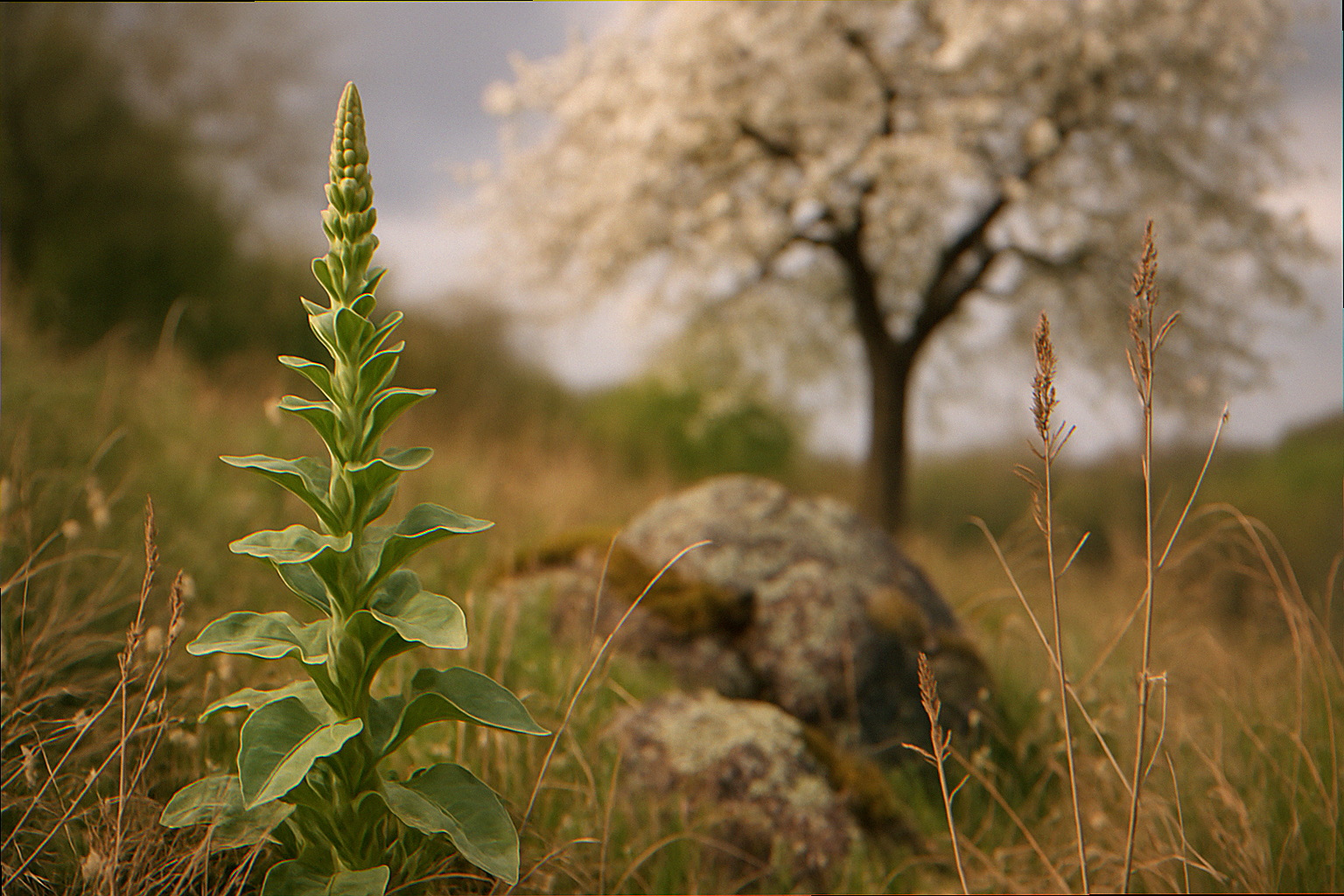
Common milkweed at maturity is the headline image at the top of this post. Year-one seedlings look nothing like that mature 4-foot plant. A single thin stem with two narrow opposite leaves, roughly 2-4 inches tall by late May, is all you get the first summer.
Six Native Plant Seedlings People Pull By Mistake (And How to Spot Them)
These are the six most commonly killed-by-mistake native seedlings in eastern and central U.S. gardens, based on what comes up over and over again in r/NativePlantGardening and the iNaturalist verification queue.
1. Common Milkweed (Asclepias syriaca), Year One
A first-year common milkweed seedling is a single thin stem with two narrow opposite leaves, roughly two to four inches tall by late May. It looks almost exactly like a young dogbane (Apocynum cannabinum), which is a native cousin you usually want to keep but is sometimes treated as a weed. The diagnostic trick: gently squeeze the stem near the soil. Milkweed bleeds white, sticky latex within five seconds. Few weeds do. If the sap is clear, it is not milkweed.
Milkweed also has a strong taproot by the end of year one, so the seedling is much harder to pull than the surrounding annual weeds. If you find yourself reaching for a trowel just to remove a “weed,” stop and run the latex test first.
2. New England Aster (Symphyotrichum novae-angliae)
The first-year rosette is a low, ground-hugging cluster of narrow spear-shaped leaves with fine hairs and slightly clasping bases. It looks remarkably similar to fleabane, ragweed, and several thistle seedlings. The diagnostic giveaway: the leaves smell faintly herbaceous when crushed (no thistle smells like anything), and the entire rosette is soft to the touch with no prickles or stiff hairs. Thistles are stiff and bristly even in year one.
3. Wild Bergamot / Bee Balm (Monarda fistulosa)
The seedling and year-one plant looks like a small mint with opposite, lance-shaped leaves and a square stem. Run your fingers up the stem. Square (four flat sides) is the universal mint family signal. Crush a leaf between your fingers. Wild bergamot smells like a cross between oregano, mint, and Earl Grey tea (bergamot oil). If the leaves smell like generic mint, you may have spearmint or apple mint volunteering, which are non-native escapees. If the leaves smell like absolutely nothing, you have a different square-stemmed weed and you can pull it.
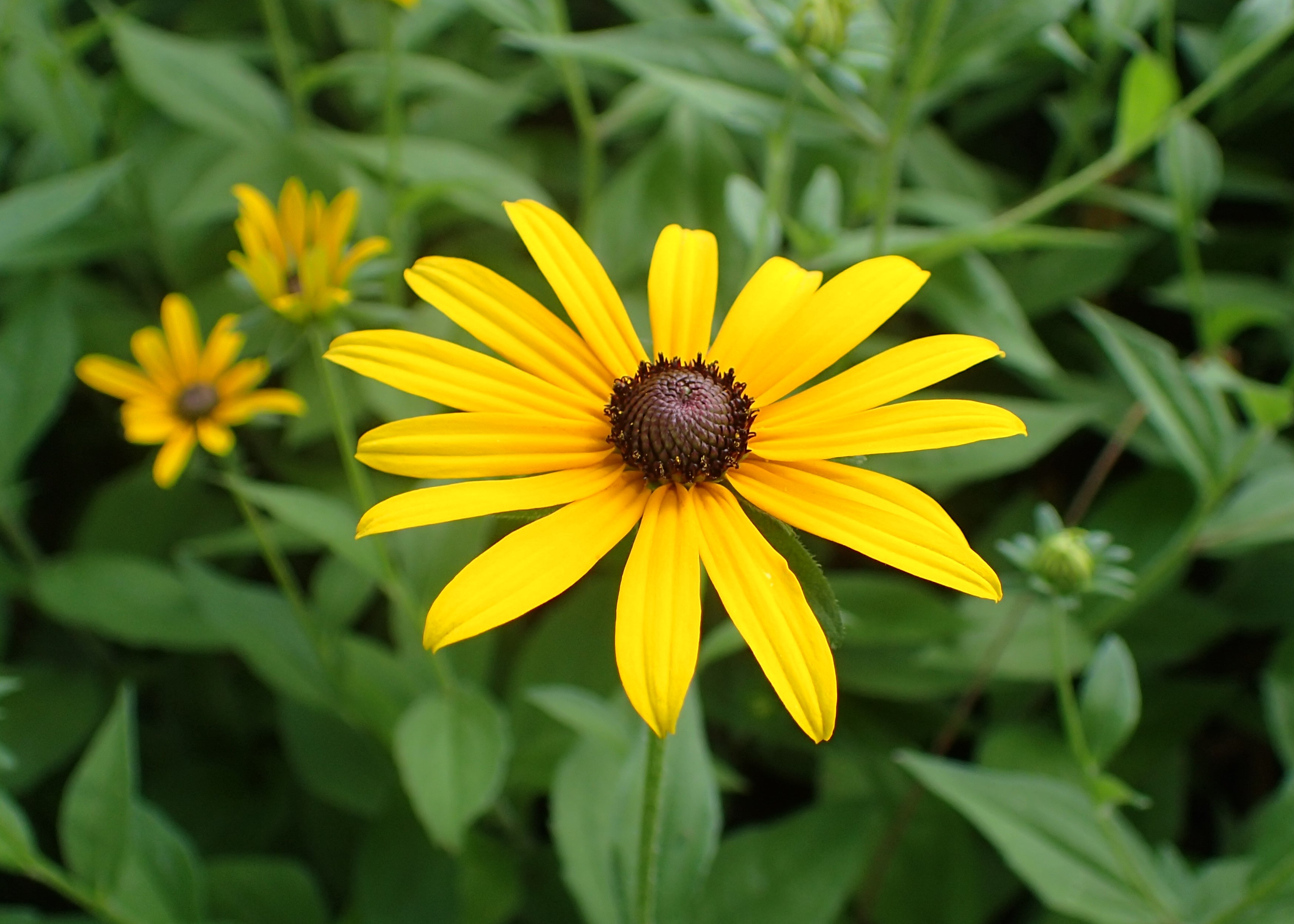
4. Black-Eyed Susan (Rudbeckia hirta), Year One Rosette
The first-year rosette is a tight cluster of medium-green, lance-shaped, fuzzy leaves close to the ground. It does not flower in year one. The diagnostic feature: dense, coarse, scratchy hairs on both leaf surfaces. The leaves feel like very fine sandpaper. Most look-alike weeds. Including dandelion, plantain, and curly dock. Have either smooth leaves or smooth-and-slightly-glossy leaves. Coarse hair is the giveaway.
5. Joe-Pye Weed (Eutrochium purpureum, E. maculatum)
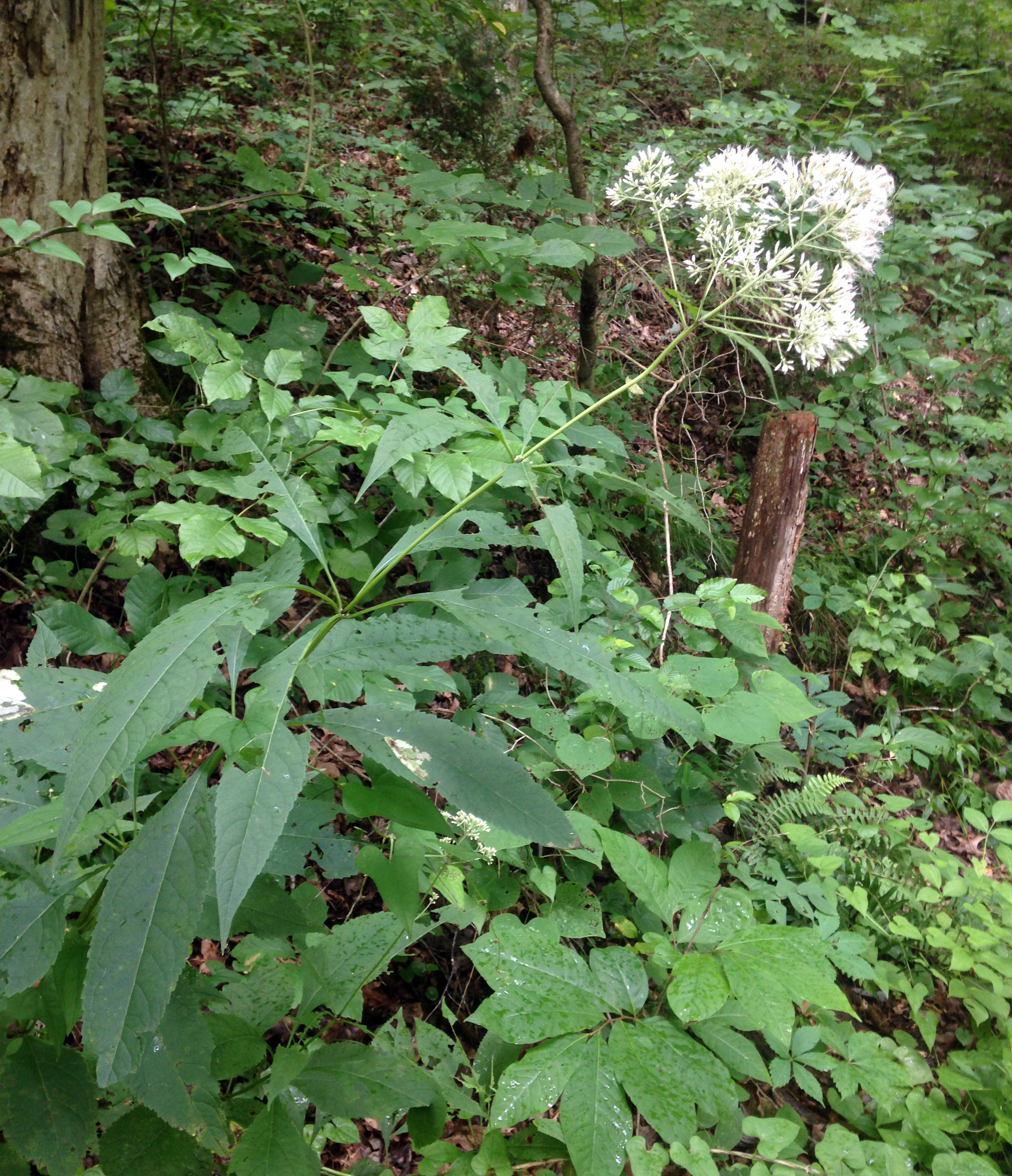
Joe-Pye weed is one of the most reliably misidentified natives. Year one produces a thin stem with leaves arranged in distinct whorls of three to seven. Whorled arrangement is rare in weeds. The diagnostic check: stand directly above the seedling and look down. If the leaves form a perfect star pattern around the stem at each node, it is almost certainly Joe-Pye weed, boneset, or one of the other whorled-leaf natives in the Eutrochium and Eupatorium genera. None of them are weeds. All of them are pollinator gold.
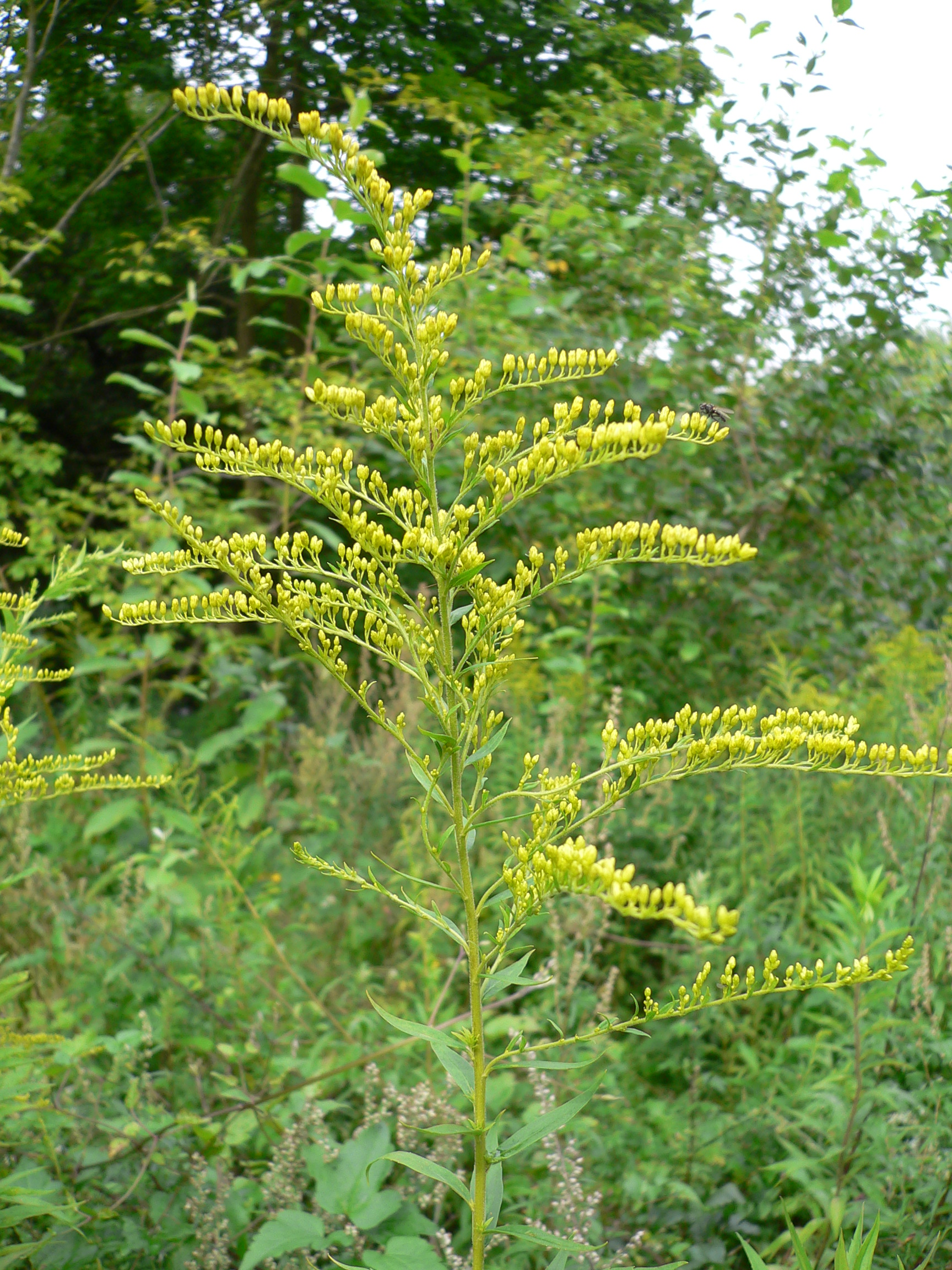
6. Goldenrod (Solidago species)
Year-one goldenrod is a basal rosette of lance-shaped leaves, often confused for ragweed (its real cause of human hay fever. Goldenrod does not produce wind-borne pollen). The diagnostic feature: goldenrod leaves are smooth-edged or slightly toothed and arranged alternately. Ragweed leaves are deeply lobed, almost fern-like, and look completely different. If the seedling leaves are simple ovals or lances with alternate arrangement, you almost certainly have goldenrod. Keep it.
Six Weeds That Look Like Natives (And Why You Should Pull Them)
Now the reverse problem: plants that look promising enough to make you hesitate but are actually invasive or aggressively weedy.
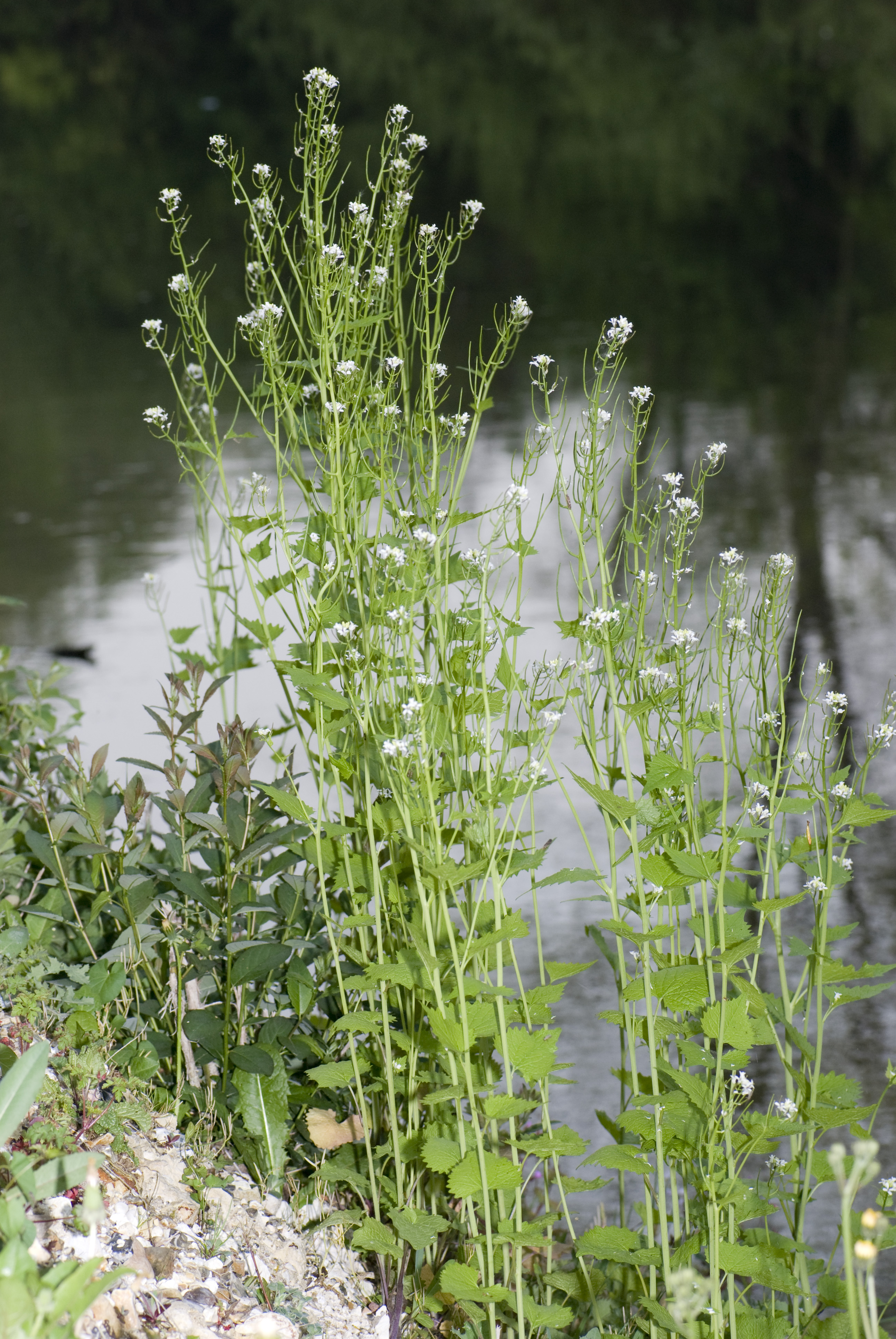
1. Garlic Mustard (Alliaria petiolata)
This is the number-one invasive in the eastern U.S. woodland edge garden. Year-one rosettes are low clusters of bright green, kidney-shaped to heart-shaped leaves with scalloped edges. Year-two plants bolt to two or three feet with white four-petal flowers. Crush a leaf between your fingers. It smells distinctly of garlic and mustard. Pull every plant you find, every year, before it sets seed. A single garlic mustard plant produces several thousand seeds that remain viable in the soil for up to 7 years.
2. Dame’s Rocket (Hesperis matronalis)
This one is mistakenly sold in “wildflower” seed mixes and looks like phlox. The diagnostic difference: phlox has five petals, dame’s rocket has four. Phlox has opposite leaves, dame’s rocket has alternate. If your mystery plant blooms purple or pink in early May with four-petal flowers, it is dame’s rocket and it is invasive in most U.S. states. This is the exact reason many gardeners now refuse to buy generic “wildflower” mixes. Read the species list line by line before sowing anything.
3. Creeping Charlie / Ground Ivy (Glechoma hederacea)
Creeping Charlie is in the mint family and has square stems, opposite kidney-shaped scalloped leaves, and small purple flowers. The leaves smell faintly minty when crushed. Many gardeners hesitate because it looks like it could be a native ground cover. It is not. It is European in origin and will smother native low-growers if you let it. The diagnostic test: it runs along the ground in dense mats, never standing more than three inches tall, with stems rooting at every node. Real native ground covers like wild ginger and Pennsylvania sedge do not behave this way.

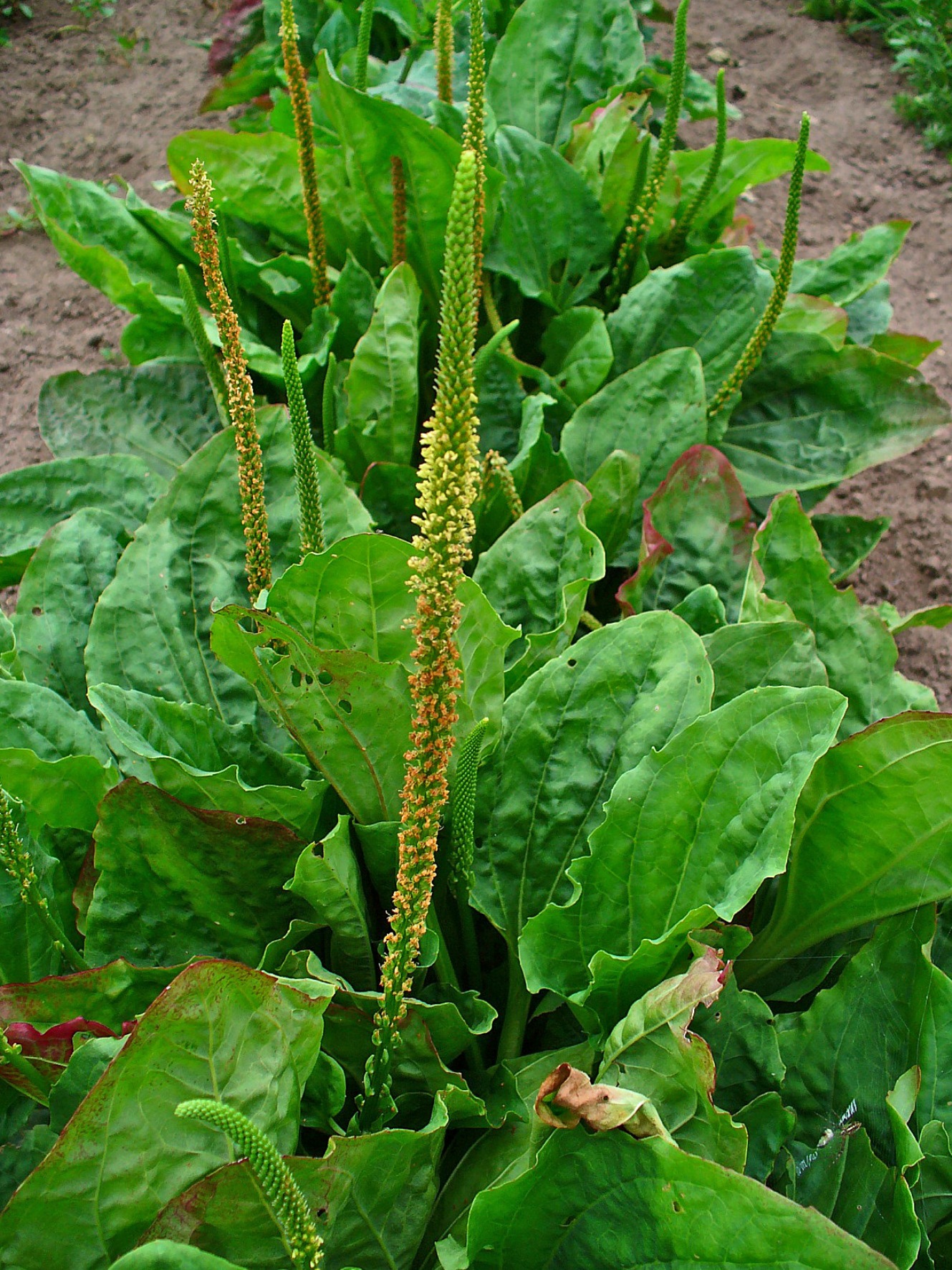
4. Broadleaf Plantain (Plantago major)
Plantain is sometimes mistaken for a young hosta or a young milkweed. The diagnostic feature: parallel veins running from base to tip of the leaf, which is unusual in broadleaf plants and looks more like a grass leaf. The rosette grows tight to the ground with thick fleshy leaves. While plantain has folk-medicine uses, it competes aggressively for water with young native perennials. In a native bed, pull it.
5. Bittersweet Nightshade (Solanum dulcamara)
The young plant looks like a tomato seedling with dark green pointed leaves and a vining habit. By midsummer it has small purple star-shaped flowers and red berries. It is European in origin, invasive in much of the U.S., and toxic to pets and curious toddlers. If you see a vining plant in your perennial bed with arrow-shaped leaves and any hint of climbing behavior, pull it before it produces berries.
6. Creeping Bellflower (Campanula rapunculoides)
The single sneakiest invasive in the upper Midwest. Looks like a native bellflower or harebell, with pretty purple bell-shaped flowers on a tall stem. Diagnostic features: it forms thick white horizontal roots that snap when you pull (and every fragment grows a new plant), and the leaves are toothed and roughly heart-shaped at the base of the plant, then narrower up the stem. If your “bellflower” forms patches that spread several feet each year, you have creeping bellflower and you should remove every fragment of root you can find.
The Two Free Apps That Settle 90 Percent of Identifications
You do not need to memorize hundreds of species. You need two apps and the discipline to use them before you pull anything you do not recognize.
Seek by iNaturalist is free, requires no account, and works offline once installed. Point your phone camera at the leaf, hold steady, and the app suggests an identification with a confidence score. It is the single best gardening tool I have used in the last decade. Pair it with the full iNaturalist platform when you want a human expert to verify your identification. Uploads get checked by real botanists, often within a few hours.
BONAP North American Plant Atlas is the gold standard for verifying whether a plant is actually native to your specific county. Once Seek tells you what the plant is, type the scientific name into the BONAP atlas and look at the county-level distribution map. Green means native to your county, yellow means present but introduced, red means invasive. This is the same database serious native plant nurseries use. If you want a deeper walkthrough, see our guide to how to verify a plant is truly native to your county before you let it stay in your garden.
The Cardboard Test: When You Cannot Tell, Wait
This is the technique I now use on every mystery seedling. If a plant has me genuinely unsure after running through Seek and the three-question test, I do not pull it and I do not leave it to grow uncontested. I place a flat piece of cardboard, about the size of a dinner plate, gently over the seedling and weigh it down with a small rock. I leave it for 2 to 3 weeks.
If the plant is a true annual weed, it will be dead when I lift the cardboard. Annual weeds cannot survive a few weeks of complete darkness and they have no underground reserves. If it is a perennial native with a real taproot or rhizome, it will be alive. Yellowed and stretched, but alive. I uncover it, give it 7 days of sun and a deep watering, and it will recover within 2 weeks.
This is a delay-and-confirm method rather than an identification method, but it is the single biggest reason I now keep most of the native volunteers in my beds. I learned it from a county extension agent who specializes in budget native garden conversions, and it works because it exploits the basic biological difference between a true perennial and an opportunistic annual.
Where to Source Plants You Can Identify Confidently
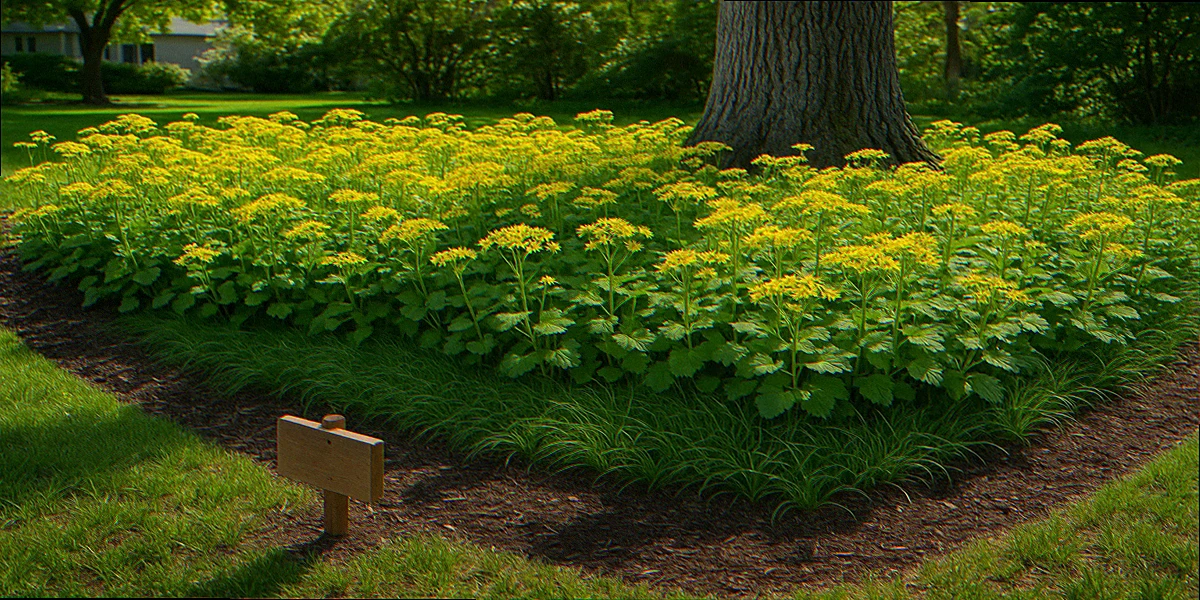
The single best way to reduce identification anxiety is to start with labeled plugs from a vetted native nursery so you know exactly what you planted. I shop in two places, and which one I use depends on the week and the budget.
Local native plant nurseries. A search for “native plant nursery [your state]” turns up small operations that grow regionally appropriate plugs for $2 to $5 each. They label every plant by Latin name, often with the county of seed origin. Plant a labeled plug and you start with a known reference point. The downside is they sell out fast in April and May.
Big-box stores with verified native sections. Lowe’s and Home Depot now stock recognizable natives. Common milkweed, black-eyed Susan, butterfly weed, swamp milkweed. Under the “pollinator-friendly” labels. The risk is mislabeling and neonicotinoid pretreatment. Read our breakdown of how to buy real native plants at Lowe’s and Home Depot without getting burned before relying on them. I use big-box stores when my local nursery is out of stock and I need to fill a gap that week. Pragmatic, not perfect.
If you start with verified, labeled plants and stick a plastic tag at every plug, the volunteer-identification problem shrinks dramatically. You only need to identify the new arrivals, not relearn everything in the bed every spring. For the seed-starting side of the same problem, see our companion guide on cold-stratifying native seeds so you know what window to expect each species to emerge in.
What to Do With the Volunteers You Decide to Keep
Once you have positively identified a native volunteer that landed somewhere unhelpful. In a path, in a vegetable bed, against a wall. You have options beyond pulling or letting it stay. The simplest is to dig it up carefully in the cool of the morning, plant it where you actually want it, and water deeply for two weeks. The success rate is high for most native perennials in their first year, when the root system is still small.
Another option is to pot the volunteer in a quart container and trade it with a neighbor for something they have too much of. Native plant swaps have become common in many U.S. cities, and the price of admission is one labeled plant. See our guide on how to propagate and share native plants with neighbors for the logistics. This single habit turned one ambitious year-one bed in my yard into four neighbor beds within three years, and we all now have free seedlings every spring.
For the science-minded resources I lean on when I cannot settle an identification with apps alone, the Xerces Society regional plant lists and the USDA PLANTS database together cover most of what you need. Xerces is curated for pollinator value, USDA is comprehensive but neutral. Bookmark both.
Common Mistakes to Avoid in Your First Two Years
Patterns I see repeated by first-year native gardeners, including me at the start:
- Pulling everything that does not match a memory. The most expensive mistake. Wait until the third leaf set before any irreversible decision.
- Believing one identification source. Seek is right about 85 percent of the time. Cross-check with iNaturalist’s human community for anything you are about to remove.
- Ignoring the cotyledons-versus-true-leaves distinction. Seedling leaves and adult leaves often look nothing alike. Wait for the true leaves before deciding.
- Trusting “wildflower” seed mixes. Generic mixes routinely contain invasives like dame’s rocket and ox-eye daisy. See our piece on how to read wildflower seed mix labels for invasive fillers before sowing.
- Spraying herbicide on anything unidentified. Glyphosate does not know the difference between your milkweed and the chickweed next to it. Hand-pull or use the cardboard test.
- Forgetting to label. A $0.10 plastic plant tag at planting time prevents twenty hours of identification work next spring. This is the cheapest, highest-return habit in the garden.
A Realistic Timeline for Going From Confused to Confident
Most people are afraid this will take them years. In my experience, it takes one full growing season of disciplined observation. Here is what to expect:
April through May of year one: Everything looks identical. You will identify roughly 30 percent of what is in your beds. This is normal. Use Seek aggressively, take photos of everything, and pull only what you can positively identify as invasive.
June through August of year one: Flowering begins. Identification accuracy jumps to roughly 70 percent because flowers are the easiest diagnostic feature. Tag everything you positively identify so next year you know what you have.
September through October of year one: Late natives flower (asters, goldenrods, gentians). Take overhead photos of every bed. Save them in a folder labeled by year. This becomes your spring reference.
April through May of year two: Identification accuracy is now around 85 percent. You recognize the rosettes of what you tagged last year. The remaining 15 percent are weeds and new volunteers.
By year three, you will be the person at the local native plant swap who can identify someone else’s mystery seedling at a glance. The path is unambiguous. It just requires the patience to not pull everything in May of year one.
Frequently Asked Questions
How long should I wait before pulling an unknown seedling in my native garden?
Wait until the seedling has at least three true leaves beyond the cotyledons, which usually takes two to three weeks after emergence. If still unsure, run the cardboard test for 2 to 3 weeks. The only exception is plants you positively identify as invasive (garlic mustard, dame’s rocket, creeping Charlie). Pull those immediately, regardless of size.
Can I rely on Seek by iNaturalist alone, or do I need other apps?
Seek is accurate about 85 percent of the time on common North American plants, and that drops in early spring when seedlings look more uniform. For anything you are about to remove or transplant, cross-check by submitting the same photo to the full iNaturalist app where human experts verify identifications. Use BONAP for the native-versus-introduced verification once you have a species name.
Why do my native plant seedlings look so different from the photos in field guides?
Field guides almost universally show mature plants in flower. Most native perennials spend year one as low rosettes or single stems that look nothing like the adult plant. Search specifically for “[species name] seedling” or “[species name] first year” to find images of the juvenile form. The GrowItBuildIt and Prairie Moon Nursery websites have particularly good seedling reference photos.
Is there a fast way to tell a native from an invasive without identifying the species?
Not reliably, but two heuristics help. First, density: dense uniform mats of identical plants are almost always weeds. Second, the smell test: crush a leaf and sniff. Many natives in the mint family (bee balm, mountain mint, wild bergamot) have distinctive pleasant scents. Garlic mustard smells of garlic. Most non-aromatic broadleaf seedlings with smooth or scalloped leaves growing in dense mats are weeds.
What should I do if I pulled a native by mistake and only realized later?
If you pulled it within the last hour and still have the plant, replant immediately in the original spot or a similar location, water deeply, and shade it for two days with an inverted bucket or cardboard. The survival rate is reasonable for small seedlings handled gently. If the plant is past saving, replace it from a local native nursery, label the spot, and treat the lesson as the price of a tuition you only pay once. Most experienced native gardeners can name three plants they killed on day one.
The Quiet Confidence That Comes With Practice
I walk through my beds in late May now and I can name almost everything within arm’s reach. That confidence came from one season of being careful, taking photos, asking the apps, and being willing to wait an extra week before deciding anything was a weed. It also came from making mistakes I would not repeat. The dead bergamot, the pulled aster, the lost milkweed. Every native gardener has these stories. The point is to keep them few and learn from them.
Your yard does not need to look like a botanic garden. It needs to look like yours, full of plants you chose and recognize. The path from “is this a weed?” to “I know exactly what that is” is shorter than it feels in your first May. Give yourself one full growing season, two apps, a sharpie, and a stack of plant tags. The rest is observation.
Want More Wildlife Garden Tips?
Join 5,000+ nature lovers getting our weekly tips on creating wildlife-friendly gardens.
No spam, unsubscribe anytime. Privacy Policy
Emma Harrington
Emma Harrington is a wildlife habitat researcher and content editor with a passion for backyard conservation. She has spent over a decade translating ecological science into practical tips anyone can follow — from selecting native plants to building wildlife-friendly habitats. Her work focuses on helping homeowners transform ordinary yards into thriving ecosystems for bees, butterflies, hummingbirds, and other beneficial wildlife.