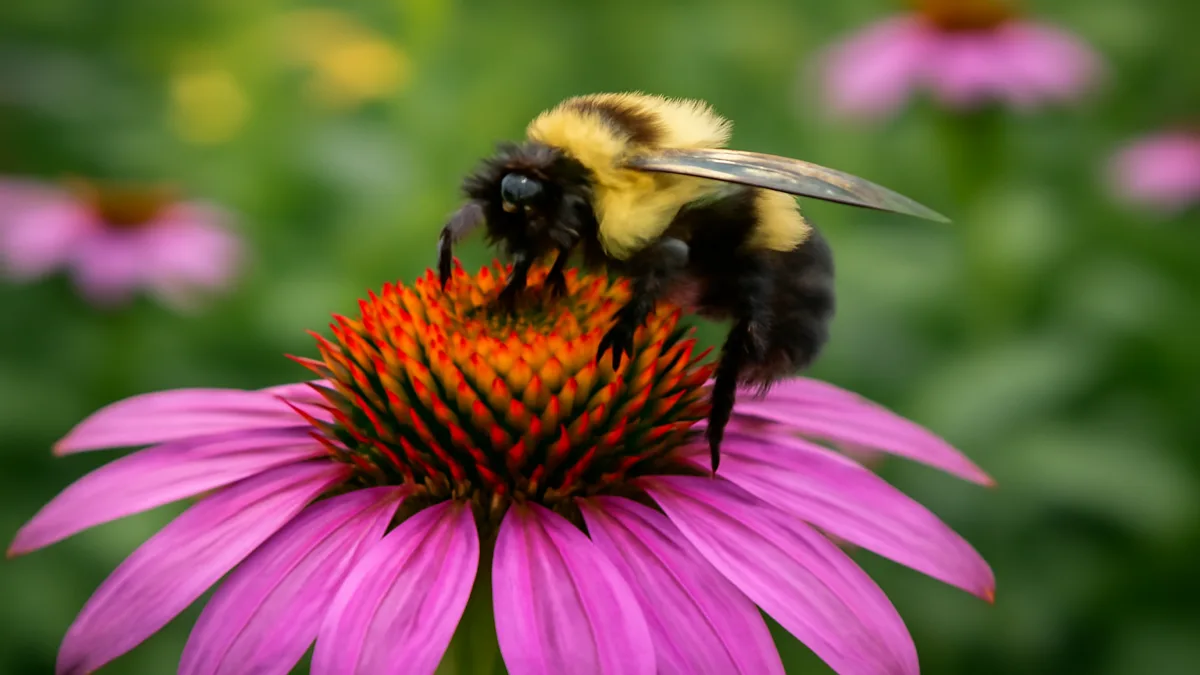
Planting bee friendly flowers in your backyard is one of the most meaningful things you can do for the environment right now, and honestly, it is easier than most people think. You do not need acres of land, a green thumb passed down from your grandmother, or a degree in horticulture. What you need is a little patience, the right plant list, and an understanding of which blooms actually feed native bees instead of just looking pretty on Instagram.
Here is something that might surprise you: North America is home to more than 4,000 native bee species, and most of them are not the fuzzy yellow honeybees you see on cereal boxes. We are talking about tiny sweat bees, chunky bumble bees, solitary mason bees, and leafcutter bees that actually snip flower petals to build their nests. Each of these bees has different preferences, different tongue lengths, and different active seasons, which is exactly why variety matters so much in a pollinator-garden-9-steps-that-actually-work/”>pollinator garden.
In this complete guide, we will walk through 15 powerhouse flowers organized by bloom season, so you can design a garden that feeds bees from the first warm day of March all the way through the last golden afternoon of October. Whether you are a weekend gardener or someone who is finally ready to rip out that thirsty lawn, these plants will do the heavy lifting for you and the bees will thank you for it.
FREE: Wildlife Garden Starter Guide
Get our 12-page PDF with the 25 best plants for pollinators, simple habitat tips, and a printable checklist — all 100% free.
No spam. Read our Privacy Policy.Why Native Bees Need Our Help More Than Ever
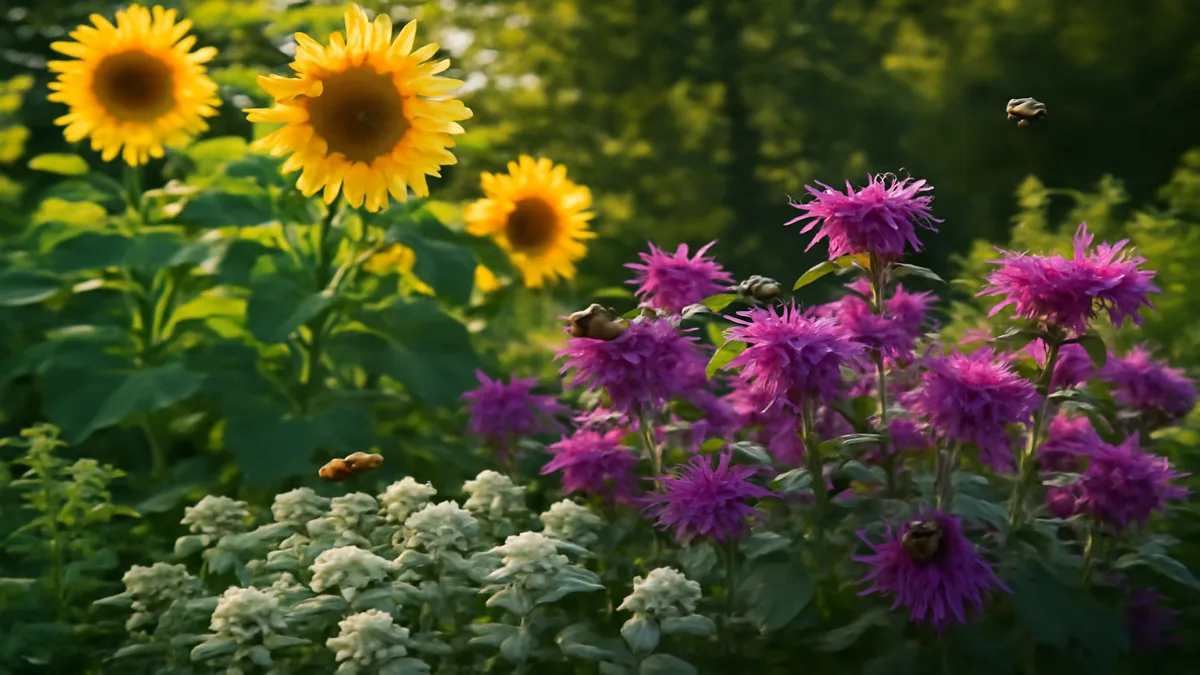
Before we dig into the flower list, let us talk about why this matters. Honeybees get all the headlines, but they are actually a single imported species originally from Europe. The real stars of the pollination world are the thousands of native bee species that evolved alongside American wildflowers for millions of years. These bees pollinate roughly 75 percent of our native plants and a huge portion of the food we eat.
Unfortunately, habitat loss, pesticide use, and climate shifts have pushed many native bee populations into serious decline. Some bumble bee species have dropped by more than 90 percent in recent decades. The good news is that home gardeners like you and me can genuinely move the needle on this. A well-planned garden patch can support dozens of bee species throughout the year, and that impact multiplies across neighborhoods.
“Gardens are not just decoration. They are the last frontier for pollinators in an increasingly paved world. Every bloom you plant is a meal, a safe harbor, and a chance at survival for a native bee.”
If you want to dive deeper into native bee conservation, the Xerces Society offers incredible regional plant guides and citizen science programs. And for broader pollinator information across the country, check out the USDA Pollinator Partnership for ecoregion-specific planting advice.
Early Spring Flowers: A Lifeline for Emerging Bees
Spring is the most critical season for bees. When queens emerge from hibernation after months underground, they are starving, exhausted, and desperately searching for food to start new colonies. If your garden has nothing blooming in March and April, those queens may not survive. These five early bloomers can literally save lives.
1. Redbud (Cercis canadensis)
This small native tree bursts into clouds of magenta-pink flowers before its heart-shaped leaves even appear. Redbud is a showstopper in early spring and it provides crucial nectar when almost nothing else is blooming. Leafcutter bees also use the distinctive foliage later in the season to construct their nests, which means this tree supports bees across multiple life stages.
2. Willow (Salix spp.)
If you only plant one early spring species, make it a willow. The fuzzy catkins produce the highest quality pollen of any early bloomer, and honeybees emerging from winter clusters depend on it almost entirely. Pussy willow and goat willow are wonderful options for smaller yards, while black willow works beautifully near water. Plant a willow and you will see bees on it within hours of the first warm day.
3. Farewell-to-Spring (Clarkia amoena)
Despite the wistful name, this gorgeous pink annual is all about new beginnings for bees. Leafcutter bees are particularly fond of Clarkia because they cut perfect circles from the petals to line their nest cells. Watching a leafcutter at work is one of those quiet garden joys you never forget.
4. Blueberry (Vaccinium spp.)
Those dainty white bell-shaped flowers are not just future breakfast fruit, they are bumble bee magnets. Native bumble bees perform something called buzz pollination on blueberries, vibrating their bodies at a specific frequency to shake pollen loose. Honeybees literally cannot do this, which is why bumble bees are essential for berry production.
5. Virginia Bluebells (Mertensia virginica)
These enchanting woodland flowers start pink and turn sky blue as they mature. Virginia bluebells specialize in feeding early-emerging woodland bees, including several mining bee species that spend most of their lives underground. They naturalize beautifully in shady corners and disappear in summer, making room for other plants.
Summer Powerhouses: The Heart of the Bee Garden
Summer is when your bee garden really earns its keep. The plants in this section are workhorses that bloom for weeks, provide enormous quantities of nectar and pollen, and attract a wild diversity of native bee species. If you want to go deeper on summer-blooming natives, our guide on native pollinator plants covers even more regional options.
6. Bee Balm or Wild Bergamot (Monarda fistulosa)
The name says it all. Bee balm produces tubular flowers in red, pink, or lavender that long-tongued bumble bees cannot resist. The leaves smell like oregano crossed with mint, and deer tend to leave it alone. This is a plant that earns its real estate in any sunny border.
7. Purple Coneflower (Echinacea purpurea)
The flat, daisy-like landing pad of a purple coneflower is basically a bee airport. Small carpenter bees, green sweat bees, and bumble bees all gather here throughout summer. After the blooms fade, goldfinches strip the seeds all fall, making this a two-for-one wildlife plant.
8. Butterfly Milkweed (Asclepias tuberosa)
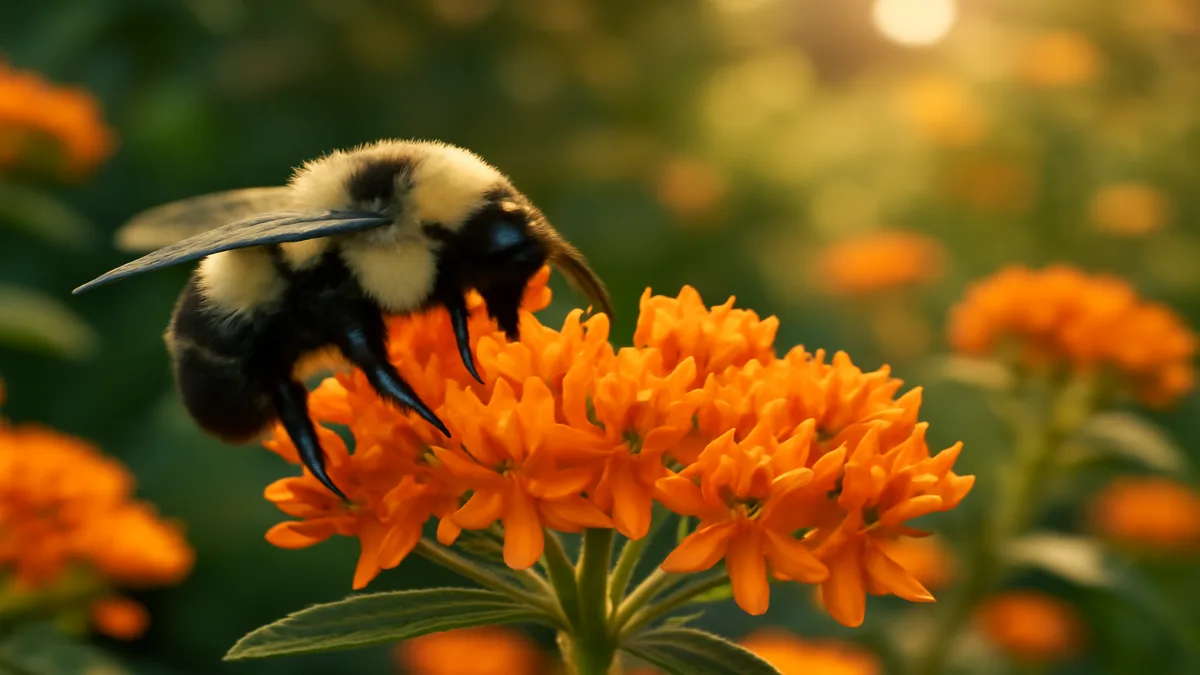
Yes, the name mentions butterflies, but butterfly milkweed is also a nectar powerhouse for native bees. The bright orange flower clusters burn like little suns in the garden and attract everything from tiny leafcutter bees to the massive carpenter bees. If you are also interested in attracting winged visitors of the other kind, read our post on flowers for butterflies.
9. Common Sunflower (Helianthus annuus)
Here is a fact that blew my mind when I first learned it: sunflower pollen contains compounds with antibacterial and antiparasitic properties, and bees actually use it to self-medicate. Research has shown that bumble bees infected with certain pathogens recover faster when they have access to sunflower pollen. Plant a row of sunflowers along a fence and you are running a pharmacy for bees.
10. Mountain Mint (Pycnanthemum spp.)
Mountain mint is the unsung hero of the pollinator world. The silvery, clustered blooms attract an almost ridiculous diversity of insects, including dozens of native bee species, wasps, flies, and beetles. Studies have ranked mountain mint as one of the single most effective plants for overall pollinator diversity.
Late Summer and Fall: Fueling Up for Winter
As summer fades, bees face another crucial period. Queens need to bulk up for hibernation, and specialist fall bees only emerge in September and October. A garden that goes dormant in August leaves these creatures stranded. These five late bloomers are your secret weapon.
11. Great Blue Lobelia (Lobelia siphilitica)
Tall spikes of deep blue tubular flowers make this a bumble bee favorite. The flower shape practically requires the long tongue and sturdy body of a bumble bee to access the nectar inside. Plant it in slightly damp soil and it will reseed politely year after year.
12. Joe-Pye Weed (Eutrochium maculatum)
Do not let the weedy name fool you. Joe-Pye weed grows six to eight feet tall and crowns itself with dusty pink flower clusters the size of dinner plates. On warm September afternoons these blooms can be completely covered in bees, butterflies, and hover flies at the same time.
13. Goldenrod (Solidago)
Goldenrod has been unfairly blamed for fall allergies for decades, but it is actually ragweed causing your sneezes. Goldenrod is insect-pollinated, meaning its pollen is heavy and sticky rather than airborne. For bees preparing for winter, goldenrod pollen is absolutely critical. It may be the single most important fall food source for native bees across much of North America.
14. Aster (Symphyotrichum)
Asters and goldenrod together create the classic late-season pollinator duo. The purple, blue, and white daisy-like flowers attract specialist bees that emerge specifically in fall, including certain mining bees that feed almost exclusively on aster pollen. Without asters, these specialists have nothing to eat.
15. Anise Hyssop (Agastache foeniculum)
Fragrant lavender spikes bloom from July well into October, making this one of the longest-flowering natives in the bee garden. The licorice-scented leaves also make wonderful tea. Anise hyssop tolerates drought beautifully once established and pairs nicely with ornamental grasses.
Bloom Season Reference Table
Use this quick-reference table to plan a garden with continuous blooms from early spring through late fall. Try to include at least two species from each season for the best bee support.
| Flower | Bloom Season | Bee Types Attracted | Sun Needs |
|---|---|---|---|
| Willow | Early Spring | Honeybees, mining bees | Full sun to part shade |
| Redbud | Early Spring | Leafcutter, mason bees | Part shade |
| Virginia Bluebells | Spring | Woodland mining bees | Shade |
| Blueberry | Spring | Bumble bees | Full sun |
| Farewell-to-Spring | Late Spring | Leafcutter bees | Full sun |
| Bee Balm | Summer | Long-tongued bumble bees | Full sun |
| Purple Coneflower | Summer | Sweat, carpenter, bumble | Full sun |
| Butterfly Milkweed | Summer | Many native bees | Full sun |
| Sunflower | Summer | Bumble, sunflower specialist bees | Full sun |
| Mountain Mint | Summer | Dozens of species | Full sun to part shade |
| Great Blue Lobelia | Late Summer | Bumble bees | Part shade, moist |
| Joe-Pye Weed | Late Summer | Diverse pollinators | Full sun, moist |
| Anise Hyssop | Summer-Fall | Bumble, sweat bees | Full sun |
| Goldenrod | Fall | All native bees | Full sun |
| Aster | Fall | Specialist mining bees | Full sun to part shade |
Simple Steps to Design Your Bee Garden
You do not need to tear up your whole yard this weekend. A thoughtful approach over a season or two produces better results and saves your back. Follow these steps in order.
- Observe your space first. Spend a week noting which areas get morning sun, afternoon sun, or shade. Note wet spots and dry spots. Bees need varied conditions.
- Start with three to five species. Pick one early spring bloomer, two summer bloomers, and one fall bloomer. Plant them in clumps of three to five of the same species.
- Group by water needs. Put thirsty plants like Joe-Pye weed together and drought-lovers like butterfly milkweed in a separate bed.
- Leave the leaves in fall. Many solitary bees overwinter in leaf litter and hollow plant stems. Resist the urge to tidy everything up.
- Add nesting habitat. Leave a small patch of bare soil for ground-nesting bees and consider a bee hotel for cavity nesters.
- Expand gradually. Each year add a few new species and remove one chunk of lawn. Within three years you will have a thriving ecosystem.
Common Mistakes That Hurt Bees
Even well-intentioned gardeners can accidentally harm the bees they are trying to help. Here are the most important mistakes to avoid in your pollinator garden. For a complete beginner walkthrough, our pollinator garden guide covers site selection, soil prep, and maintenance in detail.
- Avoid double-flowered cultivars. Those fluffy, many-petaled hybrids look impressive but bees cannot access the pollen or nectar inside. Stick with single-flowered varieties.
- Never buy neonicotinoid-treated plants. Ask your nursery directly. These systemic pesticides remain in the plant tissue for months and kill bees that feed on the flowers.
- Skip the pesticides entirely. Even organic options like neem oil can harm bees. If you have pest problems, try hand-picking and encouraging natural predators first.
- Do not plant only one species. A monoculture of even the best bee plant fails to support the diverse mix of short-tongued and long-tongued bees that need variety.
- Avoid invasive plants. Butterfly bush, purple loosestrife, and English ivy may attract some bees but they crowd out native plants that support the full ecosystem.
- Do not over-mulch. A thick layer of bark mulch prevents ground-nesting bees from accessing the soil. Leave some areas with thin or no mulch.
Matching Flower Shapes to Bee Tongues
Here is something most gardening books do not mention. Different native bees have dramatically different tongue lengths, and this directly affects which flowers they can feed from. Long-tongued bumble bees can reach nectar deep inside tubular flowers like bee balm and lobelia. Short-tongued bees like sweat bees need open, shallow flowers like coneflower and aster where the nectar sits accessible at the surface.
This is why a genuine pollinator garden needs variety in flower shape, not just color. Tubular flowers, flat landing pads, clustered tiny blooms, and bell shapes each feed different specialists. When you hear experts say to plant a diverse garden, this is what they mean. Ten species of daisies will not do what two daisies, two tubes, and a flower cluster will accomplish.
Conclusion: Your Garden Can Genuinely Save Bees
The decline of native bees sounds like a massive, distant problem, but it is actually something you can directly affect from your own backyard. Every redbud tree planted, every patch of mountain mint, every fall-blooming goldenrod creates real habitat for real bees that would otherwise have nowhere to go. You are not just gardening, you are rebuilding an ecosystem one flower at a time.
Start small, stay consistent, and resist the urge to make everything perfect. Bees do not care about weed-free beds or symmetrical design. They care about food, shelter, and a place free from poison. Give them those three things and you will be rewarded with a garden humming with life from March through October.
If this guide helped you plan your bee-friendly garden, please share it with a gardening friend or neighbor. The more yards that welcome native bees, the stronger the whole system becomes. Your share could be the reason someone else rips out that lawn and plants milkweed instead.
Sustaining Your Bee Garden From Spring Through Winter
Wildlife gardens and backyard habitats reward consistent attention more than occasional bursts of effort. A month-by-month rhythm keeps plants healthy, feeders clean, and visiting creatures safe through every temperature swing. The calendar below outlines the core tasks by season, with realistic expectations for what you will observe outside your window.
| Season | Months | Priority Tasks | What to Expect |
|---|---|---|---|
| Spring setup | March to May | Deep-clean feeders with a 1:9 bleach solution, prune dead stems after the last frost, mulch fresh beds, install nest boxes before April 1 | Peak migration activity, first broods of songbirds, emerging pollinators on early bloomers like crocus and serviceberry |
| Summer monitoring | June to August | Refresh birdbaths every 2 to 3 days, watch for wasp nests in boxes, deadhead spent blooms, water deeply once weekly rather than shallowly daily | Fledglings learning to forage, hummingbird territorial displays, butterfly peak in July, possible heat stress on shallow-rooted plants |
| Fall preparation | September to November | Leave seed heads standing, rake leaves into bed corners instead of bagging, clean out nest boxes after October 15, plant native bulbs and shrubs | Heavy feeder traffic from migrants, chipmunks caching food, last monarchs moving south, frost damage on tender perennials |
| Winter survival | December to February | Keep water unfrozen with a heated dish, offer high-fat suet and black oil sunflower, break ice in birdbaths at dawn, avoid pruning dormant stems that shelter insects | Mixed-species flocks at feeders, woodpeckers working dead wood, occasional raptor visits, overwintering cocoons on leaf litter |
One habit that pays off all year: keep a simple notebook or phone note listing first sightings, first blooms, and first frost. After two or three seasons you will have a personalized calendar more accurate than any regional guide, because it reflects your exact microclimate and the species that actually use your yard.
Questions from the comments
What flowers do bees like the most?
Native bees strongly prefer native flowers they evolved alongside. Top performers include mountain mint, goldenrod, purple coneflower, bee balm, and willow. These species provide the specific pollen and nectar chemistry native bees need. Avoid showy hybrid cultivars and double-flowered varieties, since they often produce little or no usable pollen for bees.
Are honeybees and native bees different?
Yes, dramatically different. Honeybees are a single European species introduced for honey production and crop pollination. Native bees include more than 4,000 species across North America, most of which are solitary rather than hive-dwelling. Native bees are actually more efficient pollinators of native plants and many crops, including tomatoes, blueberries, and squash through buzz pollination.
Do I need a big yard to help bees?
Absolutely not. A sunny balcony with three pots of bee balm, sunflowers, and anise hyssop can feed dozens of bees daily. Even a four-foot by four-foot patch of garden makes a measurable difference. What matters most is plant diversity and avoiding pesticides, not the total square footage of your space.
When should I plant flowers for bees?
Fall and early spring are the best planting times for perennials, giving roots time to establish before summer heat. Annual seeds like sunflowers and cosmos can be direct-sown after your last frost date. Native wildflower seed mixes often germinate best when sown in late fall and allowed to cold-stratify over winter naturally.
Is it true that sunflower pollen helps bees heal?
Yes, this is real science. Studies have shown that sunflower pollen contains compounds with antibacterial and antiparasitic properties. Bumble bees infected with certain gut pathogens recover more quickly when they have access to sunflower pollen. Including sunflowers in your garden provides bees with their own natural pharmacy, especially beneficial during stressful summer peak seasons.
Want More Wildlife Garden Tips?
Join 5,000+ nature lovers getting our weekly tips on creating wildlife-friendly gardens.
No spam, unsubscribe anytime. Privacy Policy
Emma Harrington
Emma Harrington is a wildlife habitat researcher and content editor with a passion for backyard conservation. She has spent over a decade translating ecological science into practical tips anyone can follow — from selecting native plants to building wildlife-friendly habitats. Her work focuses on helping homeowners transform ordinary yards into thriving ecosystems for bees, butterflies, hummingbirds, and other beneficial wildlife.