The three yard plants most likely to send a dog to the emergency vet are sago palm, yew, and oleander, and all three are sold without warning at every major garden center in the US. Walk your property with a clipboard, photograph each shrub, and cross-check the leaves and berries against the ASPCA database before you ever let a curious puppy or toddler near them. Removal is straightforward if you wear the right gear and bag the cuttings instead of burning them.
I inherited a row of mature English yews along my driveway when I bought my house in 2019. They were beautiful, dense, and easy to ignore. Then we adopted a 14-week-old dog who chewed everything, and a neighbor’s vet bill landed in my inbox after their lab puppy swallowed sago palm seeds two doors down. The puppy survived. The vet bill was just over $9,400. That was the week I started auditing every shrub I owned.
How do I know if a plant in my yard is actually toxic?
Start with what veterinarians call the “big six” of suburban yard toxicity: sago palm (Cycas revoluta), English and Japanese yew (Taxus baccata, Taxus cuspidata), oleander (Nerium oleander), foxglove (Digitalis purpurea), castor bean (Ricinus communis), and angel’s trumpet (Brugmansia and Datura species). If you have any of those, treat them as confirmed hazards. Beyond the big six, check every shrub, vine, and flowering perennial against the ASPCA’s Toxic and Non-Toxic Plants database before assuming anything is safe.
The audit takes about two hours for a typical quarter-acre lot. Walk the perimeter with your phone. Photograph leaf, stem, flower, and berry of every plant you cannot name. Use the free iNaturalist app or PictureThis to ID them, then look up each one. Make two columns: confirmed safe, and pending removal. Anything ambiguous goes in the pending column until you can prove otherwise.
FREE: Wildlife Garden Starter Guide
Get our 12-page PDF with the 25 best plants for pollinators, simple habitat tips, and a printable checklist — all 100% free.
No spam. Read our Privacy Policy.Every account of a poisoned dog or sickened child I have read or heard shares one thing in common: the homeowner had no idea the plant was a problem. The plants did not look menacing. Yew berries look like cheerful red candies. Sago palm seeds resemble orange-brown jawbreakers. Oleander flowers are the prettiest thing on the block. Toxic does not announce itself.
Three plants in the average suburban yard that can kill a dog in one bite
If you only audit three plants this weekend, audit these.
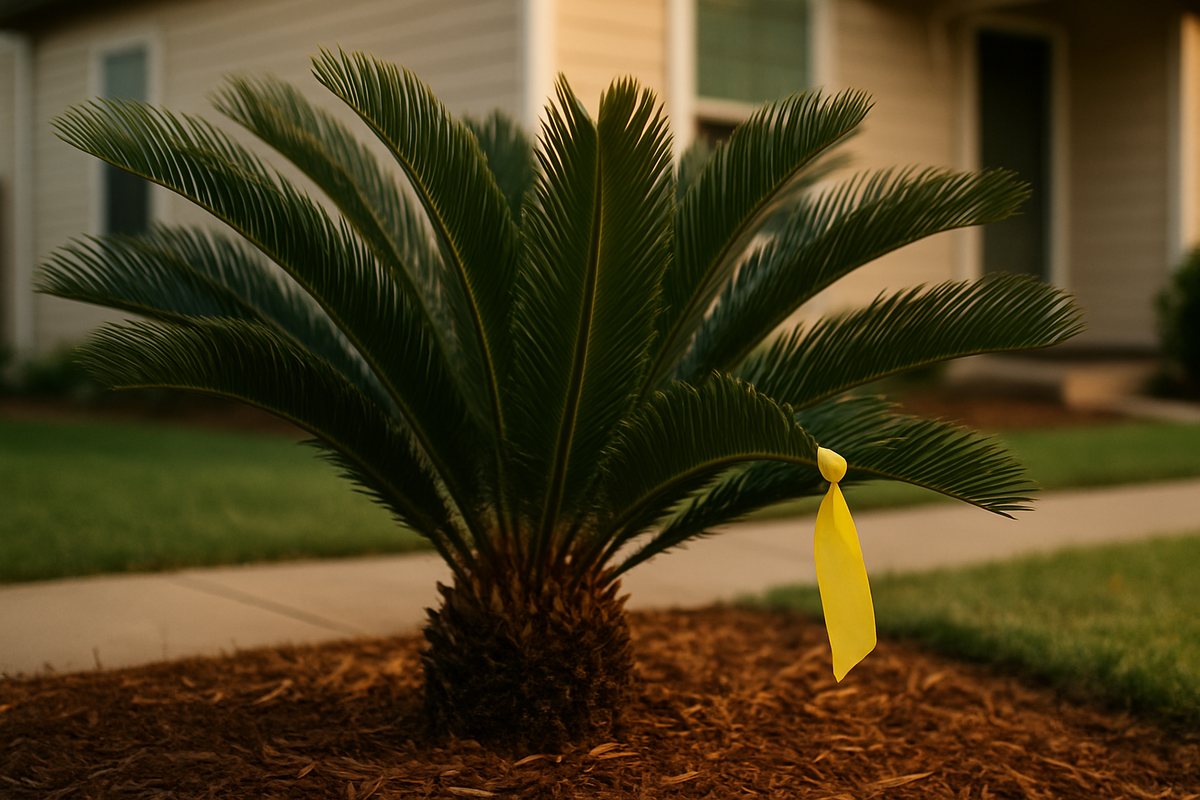
Sago palm. Every part contains cycasin, but the seeds are the most concentrated. One or two seeds can kill a 40-pound dog, with reported veterinary fatality rates near 50 percent even with aggressive treatment. Symptoms appear within 15 minutes to several hours: vomiting, lethargy, then liver failure. Sago palm is sold as an ornamental from Florida to California and shipped as a houseplant in cold climates.
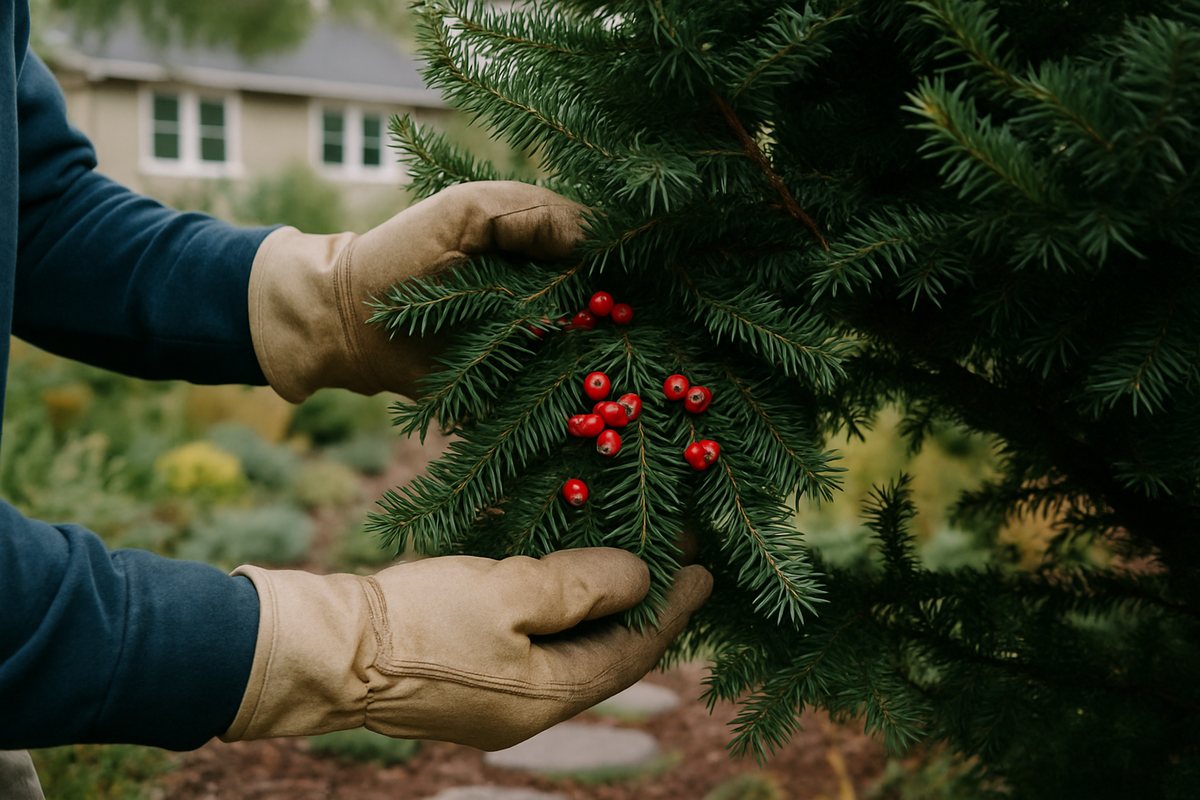
English and Japanese yew. Every part except the fleshy red aril around the seed contains taxine alkaloids. Dogs and toddlers chew on the needles and the seeds inside the bright red berries. Cardiac arrest can occur within hours. Yew is the most common toxic plant in colonial-style foundation plantings in the Northeast and Midwest, often labeled “Hicks yew” or “Hatfield yew.”
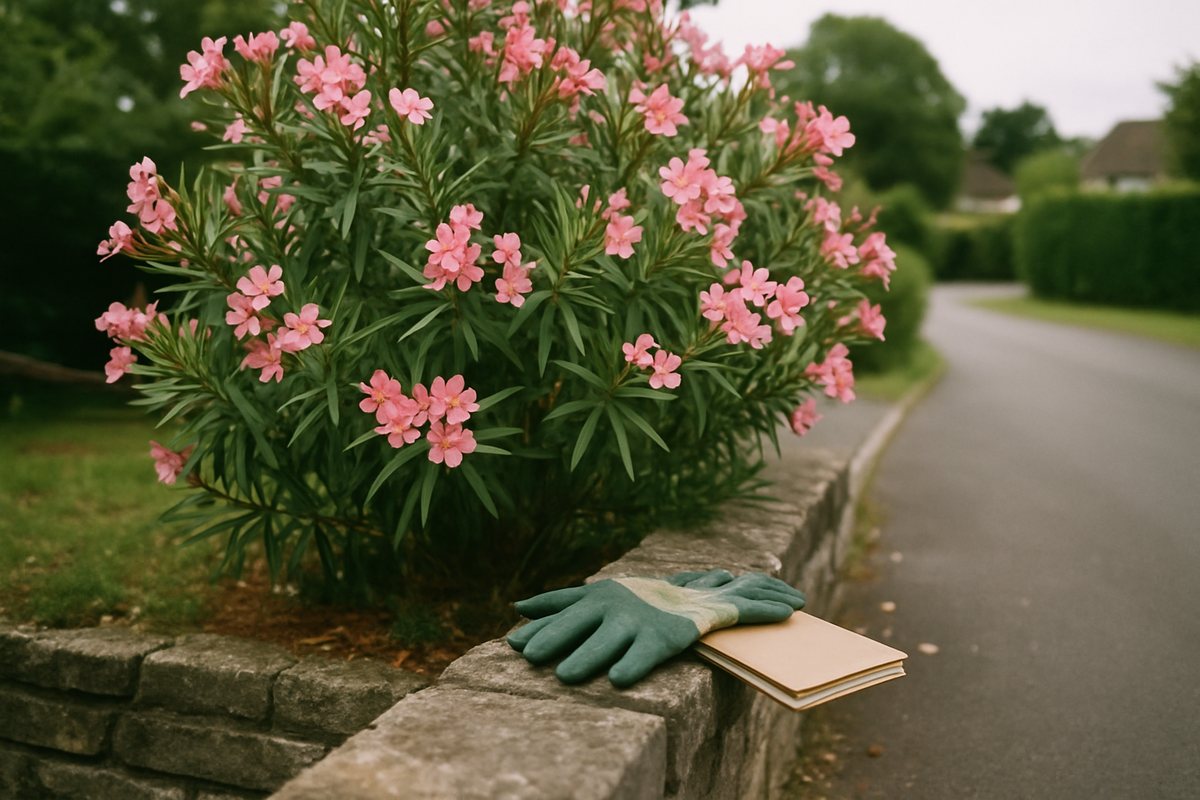
Oleander. Every part, including the smoke from burning trimmings, contains cardiac glycosides. A few chewed leaves can drop a dog. Even drinking water from a vase that held cut oleander has killed pets. Common in Southern California, Texas, Florida, and Gulf Coast plantings as a privacy hedge or driveway accent.
Beyond the deadly trio, a second tier of plants causes severe illness without the same body-count statistics. Foxglove (Digitalis purpurea) contains the same active compound as the prescription heart medication digoxin and will cause heart-rhythm abnormalities in dogs and children. Lily of the valley, azalea, rhododendron, and mountain laurel all share related cardiotoxic compounds. Castor bean is the source of ricin and was the third-most-reported plant poisoning in dogs in 2022. Angel’s trumpet (Brugmansia and Datura) contains the same tropane alkaloids found in deadly nightshade. None of these are rare. All are sold without warning labels.
A reader who emailed me last month put it bluntly: “I had no idea that yews were this toxic. I have three gigantic sago palms and now I have a dog. I need to try and dig them up.” That sentence is the entire pain point. Decades of nursery marketing told us these plants were “low maintenance evergreen accents.” Nobody mentioned the part where they can kill the family pet.
Yew, sago palm, and oleander: the deadly trio most homeowners inherit
Three things drive the toxic-plant problem in older suburban lots. First, mature specimens are expensive to remove, so the previous owner usually left them. Second, none of them are regulated. There is no federal warning label, no nursery sticker, and the ASPCA hotline is a self-rescue mechanism for owners who already noticed something is wrong. Third, the plants are slow-acting enough that nobody connects the symptoms to the shrub.
Veterinarians at the ASPCA Animal Poison Control Center field roughly 400,000 calls a year. Plant poisonings rank in the top 10. Sago palm exposure alone accounts for thousands of dog calls annually, with the highest concentration in zones 9 through 11 where the plant grows year-round outdoors.
The reason I bring up the numbers is that the persona I keep meeting at the local Wild Ones chapter assumes “toxic” means “rare and obvious.” It means neither. The toxic plants are the most popular foundation shrubs in their respective climates. That is precisely why so many homeowners inherit them without warning.
One pattern worth naming: the same nurseries that sell sago palm and oleander as “low maintenance” specimens also sell the deer-resistant labeled tags that draw in suburban buyers. Deer-resistant often correlates with toxic, because deer evolved to recognize the same cardiac and neurological compounds that hurt dogs and humans. If a plant tag says “deer ignore this,” check the ASPCA list before you check the price. The overlap is uncomfortably high.
What month should I remove a toxic shrub without harming pollinators?
Late winter or very early spring, before bud break. For most of the US that is February through mid-March. The shrub is dormant, sap pressure is low, you can see the branching structure clearly, and you are not destroying an active nesting site or a pollinator food source. Avoid removing flowering toxic plants like oleander during peak bloom unless the risk is immediate, because hummingbirds and bees may be working the flowers even on a plant you intend to take out.
If a dog or child is at immediate risk, do not wait for the calendar. Fence the plant off with temporary metal garden fencing tonight, then remove it on the next dry weekend. Eight feet of green-wire fencing from any big-box garden center costs about $24 and buys you the time to do the removal right.
For mature specimens with trunk diameter over four inches, hire a licensed arborist who has done toxic-plant removals before. Sago palm in particular is harder to dig out than it looks because the bulb-like base resists ordinary shovels, and the sap can irritate skin badly enough to require medical attention. The arborist fee is usually $200 to $600 per specimen. That is less than one emergency vet visit.
The protective-gear checklist before you touch sap, leaves, or smoke
Wear all of this. Skipping any one item is how people end up in the ER on a Sunday afternoon.
- Long sleeves and long pants you do not mind throwing away. Tuck pants into socks.
- Nitrile gloves under a pair of leather work gloves. The nitrile blocks sap, the leather blocks thorns.
- Safety goggles. Not sunglasses, not safety glasses with side gaps. Sealed goggles like the kind sold for chemistry labs or pesticide application.
- N95 respirator at minimum. P100 cartridge respirator for oleander or anything you suspect is releasing irritant dust.
- A wide-brim hat to keep sap and debris off your scalp and neck.
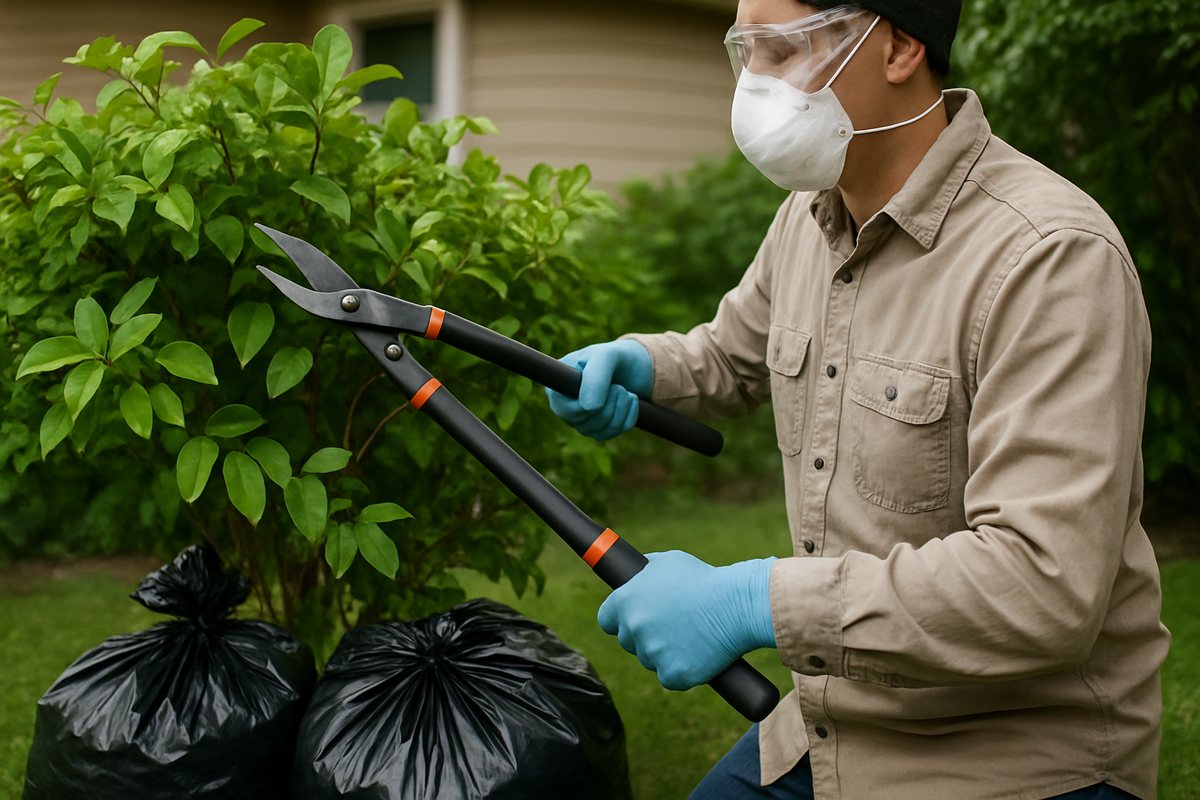
Cut the branches in sections small enough to fit in a contractor-grade bag without forcing. Double-bag everything. Label the bags “toxic plant material, no compost” with painter’s tape and a permanent marker. Most municipal green-waste programs will still take it, but the label saves a sanitation worker from making a bad assumption later.
Do not burn oleander, yew, foxglove, or castor bean trimmings under any circumstance. The smoke is dangerous. A homeowner in Texas who burned a single oleander branch in a backyard fire pit in 2023 spent three days in cardiac observation because she inhaled the smoke. Three days. From one branch.
For Sago palm in particular, also bag the pups (the basal offshoots). They contain the same cycasin and will resprout if left in the soil. Dig at least 12 inches outside the visible base, double-bag the rootball, and seal it.
If you find yourself between the protective-gear store and the shrub on a Saturday afternoon, the practical reality is that a $14 box of nitrile gloves from the big-box paint aisle and a $22 P100 respirator from the same store will get the job done. Buying online is cheaper per unit but rarely worth the three-day shipping when a curious dog is already living next to the plant. Match your timeline to your risk: same-day big-box if there is a child or pet at home, online native-nursery sourcing for the replacement plant a week later.
Native replacements that look intentional, not bare
The hardest part of toxic-plant removal is not the labor. It is the empty hole in the landscape afterward. Sarah, my composite persona for this site, is fiercely committed to “curb appeal” because she does not want a letter from the HOA. She also does not want to wait six years for a replacement to fill in. Here is what works, by region and former-shrub size.
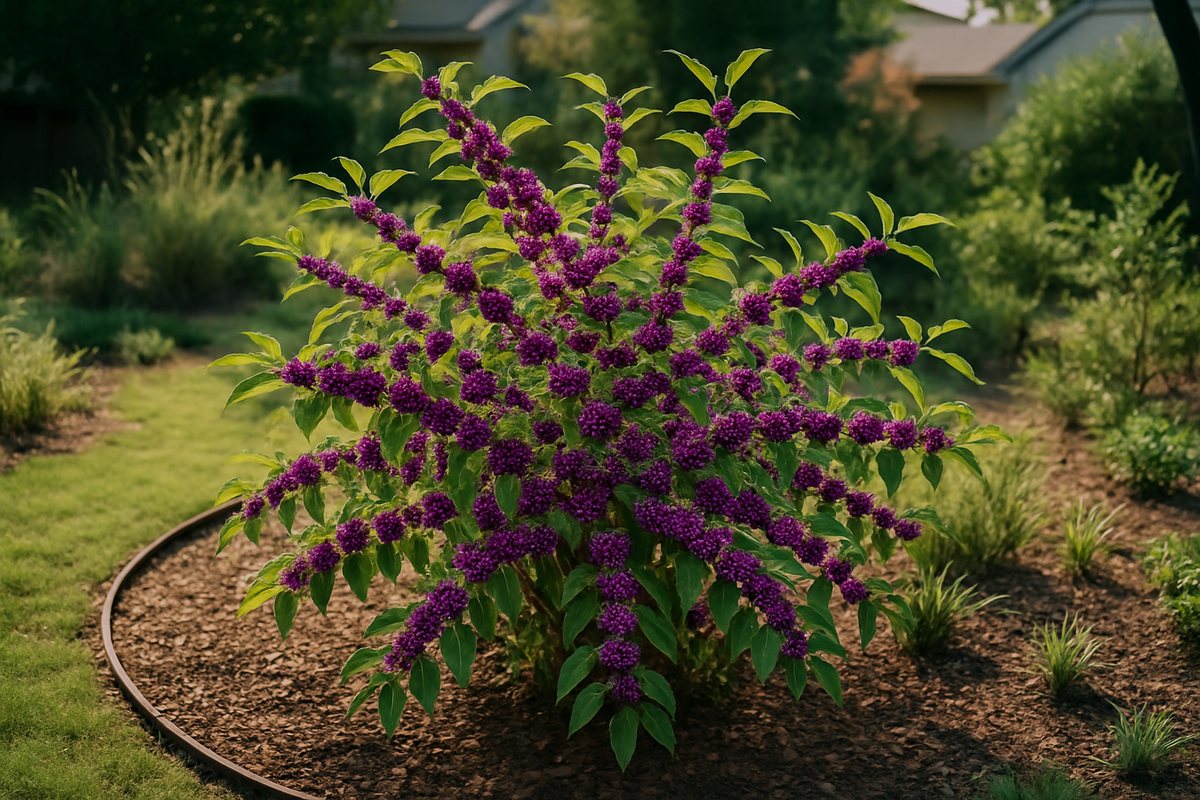
To replace a yew hedge (East and Midwest): inkberry holly (Ilex glabra ‘Shamrock’) for a dark evergreen with similar texture, or American beautyberry (Callicarpa americana) for a deciduous shrub with brilliant purple fall berries. Both are non-toxic and reach 3 to 5 feet in three seasons. A foolproof native garden recipe for your USDA zone walks through the spacing math.
To replace oleander (Southern California, Texas, Florida, Gulf Coast): toyon (Heteromeles arbutifolia) for California yards, anacua (Ehretia anacua) for South Texas, or Walter’s viburnum (Viburnum obovatum) for Florida. Toyon hits 8 to 12 feet with white spring flowers and red winter berries that birds love. Compare options against 15 deer-resistant native pollinator plants if deer are a concern in your area.
To replace sago palm (zones 9 to 11): Florida coontie (Zamia integrifolia) gets the same prehistoric look with similar fronds but is the native host plant for the rare atala butterfly. It is listed by Florida as a threatened species, so source it from a licensed native nursery, not a big-box store. The verification checklist for native plants at Lowe’s and Home Depot covers what to ask when you call ahead.
If you have a small yard: serviceberry (Amelanchier arborea or canadensis) and chokeberry (Aronia melanocarpa) give you four-season interest without the toxicity. The container gardening with native plants guide covers the same swap when you do not have in-ground space.
What if my neighbor’s toxic plant overhangs my yard?
This is the question I get every spring. The short version: in most US states, you have the legal right to trim any branches that overhang your property line, up to the line itself, without your neighbor’s permission. You cannot reach over and trim what is on their side. You cannot kill the plant. You can cut what hangs in your airspace.
That said, the relational answer matters more than the legal one. Walk over with a printed page from the ASPCA database highlighting the plant. Bring the vet-bill statistics from sago palm exposures. Most reasonable neighbors will at minimum agree to keep the plant trimmed back from the property line, and many will replace it if you offer to split the cost of a native shrub. The HOA letter response playbook includes scripts for the polite-but-firm conversation that work just as well for neighbor disputes.
For yards that are inside an HOA-governed neighborhood, check the covenants before you start removal. Some HOAs require pre-approval for shrub removal over a certain size. If yours does, take the ASPCA database printout, the dimensions of your replacement plant, and a photo of the toxic specimen to the board meeting. I have not yet met an HOA that votes to keep something the ASPCA labels deadly to dogs, but the documentation matters. Five HOA-friendly curb appeal designs for native gardens covers the rest of the replacement-plant approval conversation.
What changes in your yard after the toxic plants are gone
The first thing you will notice is that you stop counting heads. When you have toxic plants on the property, every walk with the dog and every backyard kid party carries a low background hum of attention. You watch where they put their mouths. You watch the ground for fallen berries. You watch the recycling bin during pruning week. After the toxic plants are out, that attention budget gets returned to you. It is more relaxing than I expected.
The second thing is that the wildlife shifts. The birds that nested in the yew hedge will move to the replacement shrub within one or two seasons if the new plant has dense interior branching. Year one looks bare. By year two, the new shrub is half-filled in. By year three, you will not remember what was there before. The sleep, creep, leap timeline for native plants explains why those first three years look the way they do, and how to avoid the panic-replant in month four.
The third thing is harder to measure but real. The yard becomes safer to leave alone. The toddler can pick berries off the chokeberry without anyone scrambling. The dog can sniff the beautyberry without consequence. The new neighbor’s puppy can wander through the corner where the sago palm used to be, and nobody has to calculate vet-clinic distances. You stop being the household that watches for ingestion events. That is a quiet win, and it shows up in how you actually use your own outdoor space.
Frequently asked questions
Are all parts of a yew tree poisonous?
Every part of yew except the fleshy red aril (the soft outer covering of the berry) contains taxine alkaloids. The seed inside the aril is highly toxic. Needles, bark, and seeds will all cause cardiac symptoms if ingested. Birds can eat the aril without ill effect because they pass the seed whole, but mammals chew the seed and absorb the toxin. Treat the entire plant as toxic when working with it.
Can I burn oleander or sago palm clippings safely?
No. Oleander smoke contains aerosolized cardiac glycosides and has caused serious illness from a single backyard fire pit incident. Sago palm smoke is less studied but still considered a respiratory irritant and possible toxin source. Bag the trimmings and send them to municipal green waste, which composts at temperatures high enough to neutralize most plant alkaloids during commercial processing.
How do I dispose of toxic plant material legally?
Double-bag in contractor-grade bags, label the bags “toxic plant material, do not compost” with painter’s tape and permanent marker, and put them out on green-waste pickup day. Most US municipal programs accept toxic ornamentals because the composting heat neutralizes the alkaloids. Call your local solid-waste department if you are unsure. Do not put toxic plant material in your home compost pile.
Will the toxins leach into my soil after removal?
For sago palm, oleander, and yew, the answer is essentially no for replacement-plant purposes. The toxins break down in soil over weeks to months and do not bioaccumulate at levels that would harm a typical replacement shrub. The exception is if you used a chemical herbicide on the stump. In that case, follow the label’s replanting interval, which is usually 30 to 60 days. The cut-and-paint method for poison ivy applies the same principle to toxic vines and is more selective than spraying.
Are there pet-safe native shrubs that grow as large as a yew or oleander?
Yes. American beautyberry, chokeberry (Aronia melanocarpa), serviceberry (Amelanchier canadensis), and viburnums (Viburnum dentatum, V. nudum, V. obovatum) all reach 6 to 12 feet at maturity depending on cultivar and region. Toyon (Heteromeles arbutifolia) handles California oleander-replacement roles at the same 8 to 12 foot range. Cross-check each against the ASPCA database before purchase, and use the county-level native verification process to make sure the cultivar you find at retail is truly native to your area.
For a deeper field reference, the USDA PLANTS Database gives you the county-by-county native range of every shrub you might consider as a replacement. Bookmark it along with the ASPCA database, and you will never have to guess about a new plant again.
Want More Wildlife Garden Tips?
Join 5,000+ nature lovers getting our weekly tips on creating wildlife-friendly gardens.
No spam, unsubscribe anytime. Privacy Policy
Emma Harrington
Emma Harrington is a wildlife habitat researcher and content editor with a passion for backyard conservation. She has spent over a decade translating ecological science into practical tips anyone can follow — from selecting native plants to building wildlife-friendly habitats. Her work focuses on helping homeowners transform ordinary yards into thriving ecosystems for bees, butterflies, hummingbirds, and other beneficial wildlife.