
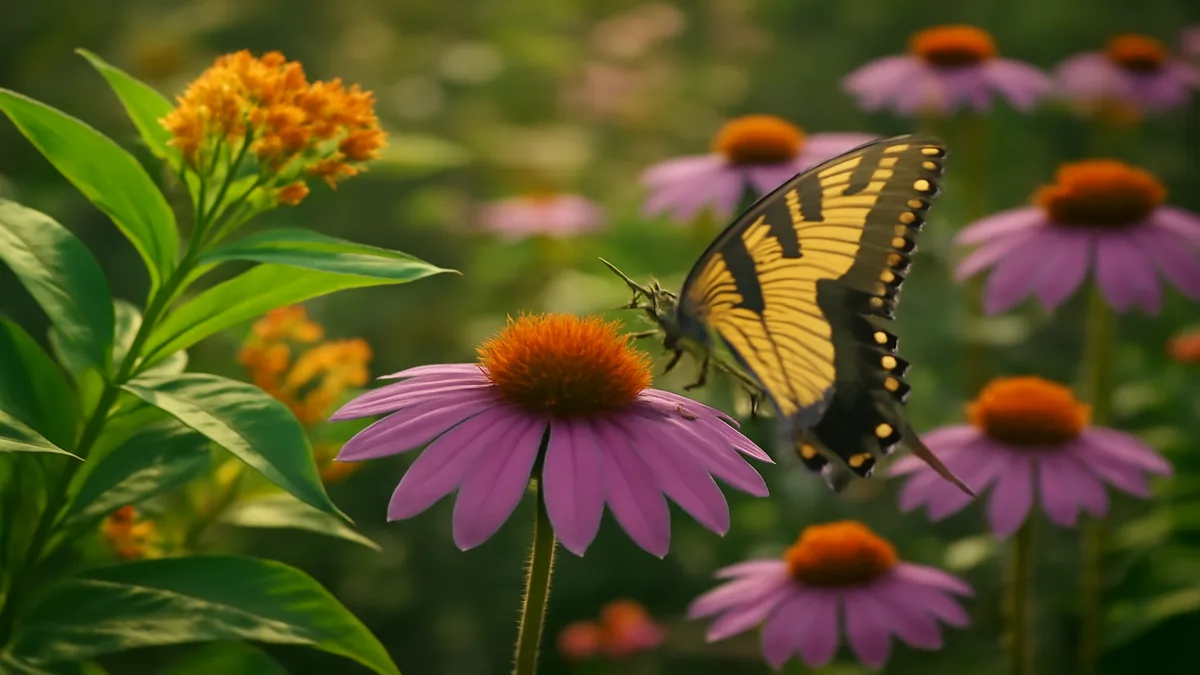
Learning how to attract butterflies to your garden is about far more than picking pretty flowers from a nursery catalog. If you’ve ever planted a dozen nectar-rich blooms, waited patiently all summer, and wondered why only two or three butterflies bothered to visit, you’re not alone. The truth most gardening guides leave out is that butterflies don’t just need food. They need a complete habitat that supports every stage of their life, from tiny egg to fluttering adult.
Think of your garden the way a butterfly does. An adult monarch might sip nectar from your zinnias for a week or two, but she’s looking for something far more important: a safe place to lay eggs, a host plant her caterpillars can eat, a puddle of damp soil where males can gather minerals, and a sheltered corner where the next generation can form its chrysalis. Without those four pieces in place, your garden is a rest stop. Not a home.
The good news? Building a real butterfly habitat doesn’t require acres of land or a degree in entomology. Over the next few thousand words, I’ll walk you through exactly what butterflies need, which host plants support which species, how to build a puddling station in under ten minutes, and the common mistakes that quietly sabotage even the most well-intentioned gardens. By the end, you’ll know how to turn your yard into a place butterflies choose to stay. Not just pass through.
FREE: Wildlife Garden Starter Guide
Get our 12-page PDF with the 25 best plants for pollinators, simple habitat tips, and a printable checklist — all 100% free.
No spam. Read our Privacy Policy.Why Butterflies Need More Than Flowers
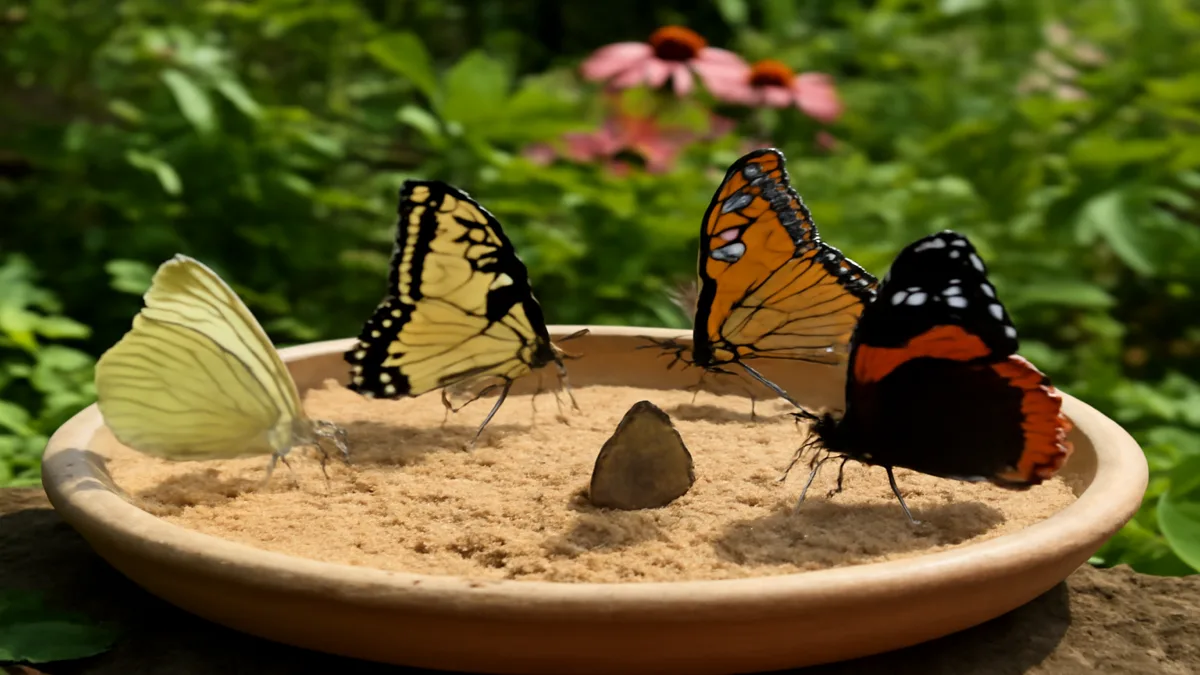
Here’s the reality that catches most new butterfly gardeners by surprise: the colorful adult you see drifting across your yard represents only about two weeks of a butterfly’s life. The other 90% of its existence is spent as an egg, a caterpillar, or a chrysalis. And during those stages, nectar flowers are completely useless.
A butterfly’s life cycle moves through four distinct phases. It begins as a tiny egg, often no larger than a pinhead, glued to the underside of a specific plant leaf. From that egg hatches a caterpillar, which does nothing but eat and grow for one to four weeks, shedding its skin several times. When it’s ready, the caterpillar forms a chrysalis. A hard protective shell where its body literally liquefies and rebuilds itself into the winged adult we recognize. Only then does it emerge, unfurl its wings, and begin the brief adult phase of feeding, mating, and laying the next generation of eggs.
Each of these four stages has entirely different survival requirements. Adults need nectar. Caterpillars need leaves from very specific host plants. Eggs need a safe surface protected from rain and predators. Chrysalises need shelter from wind, freezing temperatures, and curious birds. A garden that only provides nectar is like a restaurant without bathrooms, bedrooms, or a kitchen. Visitors come, but nobody stays.
Research from university extension programs consistently shows that roughly 75% of butterflies attracted to nectar-only gardens fail to reproduce there. They feed, they leave, and the local population never grows. If you want butterflies that return year after year in increasing numbers, you need to support all four life stages. Not just the one that looks nice in photographs.
The Four Habitat Essentials Every Butterfly Garden Needs
Before we get into specific plants and species, let’s lay out the four non-negotiable elements of a complete butterfly habitat. Miss any one of these and your garden will underperform, no matter how many flowers you plant.
- Nectar plants, These feed the adults. Aim for a succession of blooms from early spring through late fall so there’s always something flowering. Native species generally produce more nectar than hybrids.
- Host plants, These feed the caterpillars, and each butterfly species is extremely picky. A monarch caterpillar will starve to death on a bed of parsley, even though swallowtail caterpillars thrive on it.
- Water and minerals, Butterflies don’t drink from open water like birds do. They engage in a behavior called “puddling,” sipping moisture from damp soil, sand, or mud to extract sodium and other minerals.
- Shelter, Wind is a butterfly’s worst enemy. They also need warm basking spots, cool hiding places during storms, and safe overwintering sites for eggs, chrysalises, or adults depending on the species.
If you’re already working on a broader pollinator garden, you’ve got a head start. Many of the same principles apply. But butterflies have some specific requirements that bees and hummingbirds don’t share, and that’s what we’re going to focus on from here.
Host Plants by Butterfly Species
This is the single most important table in this article, so I’d encourage you to bookmark it. Adult butterflies are generalists For nectar. A monarch will happily drink from the same flower as a swallowtail. But caterpillars are extreme specialists. Female butterflies will only lay eggs on the specific plants her species has evolved to eat, and if those plants aren’t in your yard, she simply won’t lay there.
Here are the most common North American garden butterflies and the host plants their caterpillars require:
| Butterfly Species | Required Host Plants | Notes |
|---|---|---|
| Monarch | Milkweed only (Asclepias species) | No substitutes exist. No milkweed means no monarchs. |
| Black Swallowtail | Parsley, dill, fennel, carrot family | Plant extra in your herb garden. The caterpillars will thank you. |
| Eastern Tiger Swallowtail | Tulip tree, wild cherry, sweetbay magnolia | Needs a yard with mature trees or large shrubs. |
| Gulf Fritillary | Passion vine (Passiflora) | A vigorous vine that needs a trellis or fence to climb. |
| Painted Lady | Thistles, hollyhocks, mallows | Tolerates a wide range of plants. Easiest to attract. |
| Red Admiral | Nettles (stinging and false) | Leave a patch of nettles in a back corner of your yard. |
| Mourning Cloak | Willow, elm, poplar, birch | One of the longest-lived adult butterflies (up to 11 months). |
| Fritillaries (various) | Violets | Don’t weed them out of your lawn. Fritillaries depend on them. |
| Pipevine Swallowtail | Pipevine (Aristolochia) | Native pipevine only. Avoid ornamental tropical types. |
| Spicebush Swallowtail | Spicebush, sassafras | Excellent native shrub for shade gardens. |
Notice that milkweed entry at the top? That’s not a typo or an oversimplification. Monarch caterpillars have evolved to eat milkweed and nothing else. The toxic compounds in milkweed leaves make the caterpillars poisonous to predators. A survival strategy millions of years in the making. No milkweed in your garden means no monarch reproduction, period.
How to Build a Puddling Station (Step by Step)
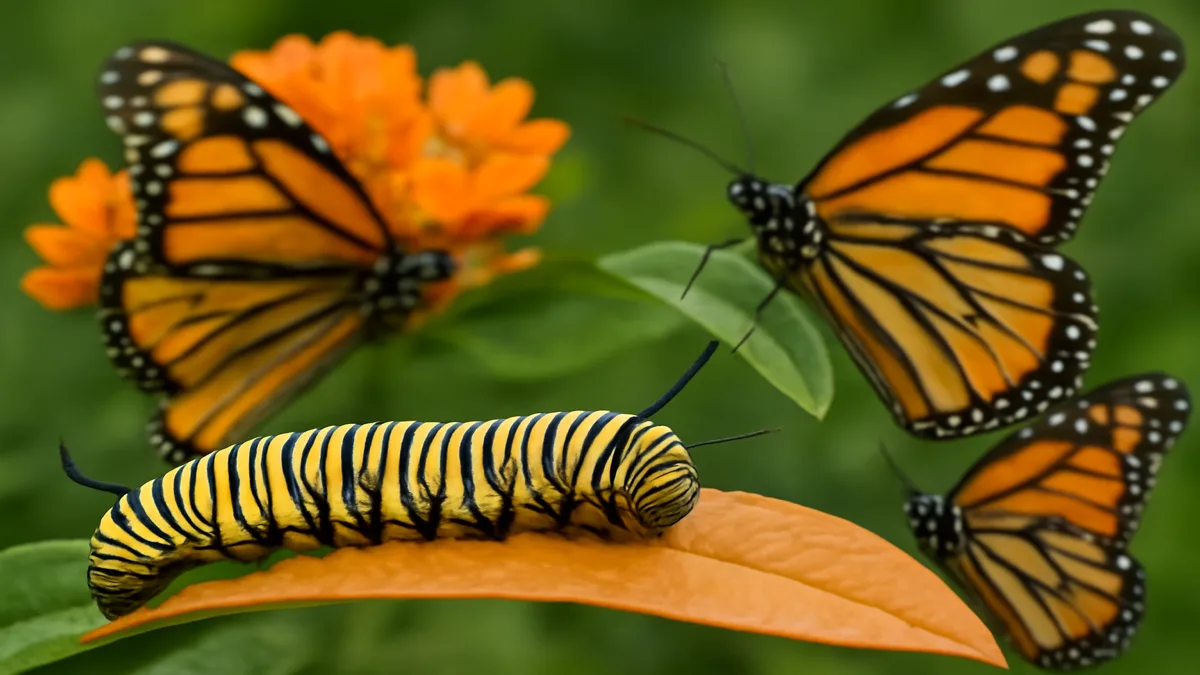
A puddling station might be the most overlooked feature in butterfly gardening. You’ve probably seen butterflies gathered in groups on damp dirt roads, muddy driveways, or the edges of shallow streams. That behavior is called puddling, and it’s how butterflies. Particularly males. Extract essential minerals they can’t get from nectar.
Male butterflies need sodium specifically. They collect it by puddling, then transfer it to females during mating as a “nuptial gift” that the female uses to produce healthier eggs. A single puddling station in your garden can dramatically improve local butterfly reproduction rates, and building one takes about ten minutes.
- Choose a shallow dish. A terracotta saucer, a pie plate, or even a shallow bowl works perfectly. You want something 1 to 2 inches deep. Any deeper and butterflies can drown.
- Fill it with sand and garden soil. Use a roughly 70/30 mix of coarse sand to regular garden soil. The sand drains well while the soil retains minerals and moisture.
- Add a pinch of sea salt. Literally just a pinch. About a quarter teaspoon for a standard saucer. Mix it into the damp sand. This provides the sodium butterflies are actually seeking.
- Keep it damp, never flooded. Water lightly every morning during dry weather. The surface should feel like a wrung-out sponge. Damp throughout, but with no standing water on top.
- Place it in full sun, near your nectar plants. Butterflies puddle in warm, sunny spots, typically mid-morning to early afternoon. Positioning it within 10 feet of heavily used nectar flowers dramatically increases visits.
- Add a few flat stones. These give butterflies safe landing pads and also serve double duty as basking rocks (more on those in a moment).
Don’t be discouraged if it takes a few weeks before butterflies discover your puddling station. Once one butterfly finds it, others tend to follow. Butterflies actually use visual cues from other butterflies to locate mineral sources.
Basking Rocks and Sun Exposure
Butterflies are cold-blooded. Unlike bees, which can generate some internal heat by vibrating their flight muscles, butterflies depend entirely on external warmth to get their body temperature high enough to fly. Most species can’t even lift off the ground until their flight muscles reach about 55 degrees Fahrenheit, and they prefer temperatures in the 70s and 80s.
This is where basking rocks come in. On cool mornings, you’ll see butterflies perched motionless on flat surfaces with their wings open, oriented to catch maximum sunlight. They’re essentially solar-charging. Absorbing heat through their dark-pigmented wings until they’re warm enough to fly.
A well-placed basking rock can extend a butterfly’s active feeding hours by two hours or more each day. In cooler climates, this can mean the difference between a butterfly laying 20 eggs or 200 during its short adult life. Think of basking rocks as the unsung infrastructure of a productive butterfly garden.
The ideal basking setup uses flat, dark-colored stones. Slate, dark granite, or weathered fieldstone all work well. Place them in spots that catch direct morning sun, ideally on the east side of your garden where they’ll warm up at dawn. Position them near (but not directly next to) your nectar plants, so butterflies have a short flight from basking to feeding.
If you already have a wildlife pond in your yard, the flat stones around its edge make excellent natural basking sites. You get double duty from a feature you already maintained. Just make sure those stones aren’t constantly wet, since butterflies prefer to bask on dry surfaces.
Wind Protection and Shelter
Wind is the enemy of butterfly gardens. A sustained breeze over about 8 miles per hour makes flight difficult, and gusty conditions can damage their delicate wings. Beyond that, wind disperses the subtle nectar scents butterflies use to locate flowers, effectively hiding your garden from passing visitors.
The solution is to create windbreaks. Dense plantings on the prevailing-wind sides of your garden (usually north and west in North America, but check your local conditions). A mix of evergreen shrubs, small trees, and tall native grasses works beautifully. You’re aiming for a semi-permeable barrier that slows wind rather than stopping it completely, since perfectly still air creates its own problems with humidity and fungal diseases.
Evergreens deserve special mention because they serve a second critical purpose: winter shelter. Several butterfly species, including the mourning cloak, question mark, and eastern comma, actually overwinter as adults. They tuck themselves into the peeling bark of trees, under evergreen branches, or inside wood piles, entering a state of suspended animation called diapause. On unseasonably warm winter days, you might even see them emerge briefly to bask.
Then there are the leaf piles. And this is where traditional “tidy” gardening actively harms butterflies. Many species, including swallowtails and fritillaries, overwinter as chrysalises attached to leaf litter, stems, and fallen branches. When you rake and bag every leaf in autumn, you’re throwing away next summer’s butterflies. A wild corner of your yard where leaves accumulate naturally is one of the most valuable features you can provide.
Why You Must Ditch the Pesticides
This section is short because the message is simple: if you want butterflies, you can’t use pesticides. Not the “safe” ones, not the organic ones, not the “just this once for the aphids” ones. One pesticide exposure is enough to kill a caterpillar or a newly emerged adult.
Neonicotinoids. The most common class of garden insecticides. Are particularly devastating because they’re systemic. The plant absorbs them through its roots or leaves, and the chemical persists in every part of the plant tissue for weeks or even months. A butterfly that sips nectar from a neonicotinoid-treated flower can be poisoned long after the initial application. Worse, the toxin concentrates in pollen and nectar, the exact tissues pollinators contact.
Even organic options aren’t automatically safe. Bacillus thuringiensis (Bt) is a popular organic insecticide marketed as “safe for pollinators” because it doesn’t harm adult bees or butterflies. But Bt specifically kills caterpillars. All caterpillars. Including monarchs, swallowtails, and every other species you’re trying to attract. Using Bt in a butterfly garden is actively counterproductive.
The alternative is integrated pest management. Tolerate some chewed leaves (caterpillars are supposed to eat leaves. That’s the whole point). Hand-pick pest insects when populations get truly problematic. Encourage natural predators like lacewings, ladybugs, and parasitic wasps by planting diverse flowering species. Use physical barriers like row covers on vegetables. A butterfly garden will always have a few holes in its leaves. That’s a feature, not a bug.
Timeline: What to Expect in Your First Years
Butterfly gardens don’t reach their full potential in one season. They build over years as word spreads through the local population and your plants mature. Here’s a realistic timeline of what to expect:
- Months 1-2: You’ll see occasional visits, mostly from butterflies scouting the new habitat. Don’t expect crowds yet. Your plants are still establishing.
- Months 3-4: Regular feeding visits begin as local butterflies add your garden to their daily rounds. You may see the same individuals returning.
- Months 5-6: Females begin laying eggs on your host plants. Watch the undersides of milkweed leaves, parsley stems, and passion vines for tiny pale eggs, then the first caterpillars.
- Year 2: The first generation raised in your garden returns to breed. Population begins to grow noticeably, and species diversity increases.
- Year 3 and beyond: Established population with multiple resident species. You’ll start seeing butterflies you’ve never noticed in your area before.
The key during the first two years is patience and consistency. Don’t overhaul the garden every spring. Butterflies need stability. They return to the same reliable food sources year after year, and each new generation imprints on the habitat where it developed.
Common Mistakes That Sabotage Butterfly Gardens
Even experienced gardeners make these mistakes regularly, often because traditional nursery recommendations actively work against native butterfly populations. Watch out for all of these:
Tropical milkweed. This non-native milkweed (Asclepias curassavica) is widely sold and looks beautiful, but it creates serious problems for monarchs. In warm climates, it doesn’t die back in winter the way native milkweeds do, which disrupts monarch migration patterns and allows a parasite called OE (Ophryocystis elektroscirrha) to build up in the plant. Always plant native milkweed species suited to your region. Swamp milkweed, common milkweed, or butterfly weed, depending on your area.
Butterfly bush. The name is misleading. Butterfly bush (Buddleja davidii) does provide good nectar for adults, but it’s a host plant for zero North American butterfly species. It’s also classified as invasive in many states because it escapes cultivation and crowds out native host plants. For a complete breakdown of better alternatives, check our guide to flowers for butterflies that actually support the full life cycle.
Hybrid cultivars. Many ornamental flowers sold at big-box garden centers have been bred for appearance at the expense of function. Double-petaled varieties often have no accessible nectar. “Sterile” hybrids produce no pollen. Always look for species-type or heirloom varieties when buying plants for a butterfly garden.
Killing “ugly” caterpillars. The black-and-green striped caterpillar munching on your parsley is a future black swallowtail. The fat yellow one on your milkweed will be a monarch. That weird-looking thing on your dill is probably the most beautiful butterfly you’ll ever see. Before you squish a caterpillar, take a photo and do a quick identification check.
Being too tidy. Gardening culture rewards neat, manicured spaces. But butterflies need mess. Leave seed heads standing through winter. Let a back corner go wild. Don’t bag every leaf in fall. A slightly wilder garden supports exponentially more wildlife than a pristine one.
Putting It All Together
Creating a real butterfly habitat comes down to thinking like a butterfly through its entire life cycle, not just the two weeks when it has wings. Plant native nectar flowers for the adults. Plant specific host plants for the caterpillars. Build a puddling station for the males. Place basking rocks in morning sun. Create windbreaks with evergreen shrubs. Leave some leaves where they fall. And. This is the big one. Stop using pesticides of any kind.
Start small if you need to. A single pot of native milkweed on a sunny patio can raise a monarch. A handful of parsley and dill in a vegetable bed can produce black swallowtails. You don’t need to transform your entire yard in one season. What matters is that each element you add supports an actual stage of an actual butterfly’s life, not just looks pretty.
For deeper dives into specific species and regional identification, the North American Butterfly Association maintains excellent resources, and Monarch Watch offers detailed guidance specifically for supporting monarch populations, including habitat certification programs.
Ready to get started? Pick one element from this guide. Just one. And add it to your garden this week. Maybe it’s a packet of native milkweed seeds. Maybe it’s a ten-minute puddling station. Maybe it’s a commitment to leave the leaves this fall. Whatever it is, that one action is the beginning of a habitat that could support butterflies for generations.
Quick answers to the usual questions
How long does it take to attract butterflies to a new garden?
You’ll likely see occasional scouting visits within the first few weeks if you have nectar plants in bloom. Regular visits typically begin after two to three months, and egg-laying on host plants usually starts within the first full growing season. A fully established butterfly garden with reproducing resident populations generally takes two to three years to develop.
Do I need a big yard to attract butterflies?
Not at all. Even a small balcony or patio with a few containers of native milkweed, parsley, and zinnias can attract and support butterflies. Urban butterfly gardens often do surprisingly well because there’s less pesticide exposure than in suburban areas. The key is quality of habitat, not quantity of space.
Should I raise caterpillars indoors to protect them from predators?
Most butterfly experts now advise against raising caterpillars indoors except for educational purposes, and only in very small numbers. Wild caterpillars that survive natural predation produce stronger, better-adapted adults. Mass indoor rearing has been linked to weaker monarchs with reduced migration success. Support caterpillars by planting abundant host plants and letting nature handle the rest.
What’s the single most important plant for a butterfly garden?
For North American gardens, native milkweed is almost universally recommended as the most impactful single plant you can add. It directly supports monarch reproduction (which depends entirely on milkweed), provides excellent nectar for dozens of other butterfly species, and its seed pods offer nesting material for birds in winter. Choose a species native to your specific region.
Why do I see lots of bees but no butterflies in my garden?
This usually means you have good nectar sources but are missing one or more of the other habitat essentials. Common culprits include lack of host plants for local butterfly species, no sheltered basking areas, exposure to wind, nearby pesticide use (including from neighbors), or a predominance of hybrid flowers with low-quality nectar. Review the four habitat essentials in this guide and identify which one your garden is missing.
Related reading
Want More Wildlife Garden Tips?
Join 5,000+ nature lovers getting our weekly tips on creating wildlife-friendly gardens.
No spam, unsubscribe anytime. Privacy Policy
Emma Harrington
Emma Harrington is a wildlife habitat researcher and content editor with a passion for backyard conservation. She has spent over a decade translating ecological science into practical tips anyone can follow — from selecting native plants to building wildlife-friendly habitats. Her work focuses on helping homeowners transform ordinary yards into thriving ecosystems for bees, butterflies, hummingbirds, and other beneficial wildlife.